


Stories are one of the very first ways children begin to understand the world around them. Long before they can fully articulate their thoughts or explain their feelings, they are listening, absorbing and interpreting the messages woven into the stories they hear. Through simple narratives about animals, adventures, friendships and faraway places, children begin forming ideas about kindness, empathy, courage and how we treat the world, and one another.
From an early age, storytelling becomes a quiet teacher. When a child listens to a story, they are not just following a plot, they are placing themselves inside it. They imagine how the character feels when they are left out. They feel the excitement of bravery. They sense the warmth of belonging. Stories allow children to safely explore emotions and experiences before they encounter them in real life. In doing so, books help build emotional intelligence, and the ability to recognise feelings, understand perspectives and respond with compassion.
That is why children’s books are so powerful. The stories we return to at bedtime, the ones requested again and again, quietly shape how children see themselves and others. A character who learns to celebrate differences can help a child embrace diversity in their classroom. A storyline about helping a friend can reinforce the importance of generosity and loyalty. A gentle narrative about caring for nature can nurture respect for the planet long before a child understands climate change or sustainability. These messages do not need to be loud to be impactful. In fact, it is often the subtle, consistent themes that stay with children the longest.
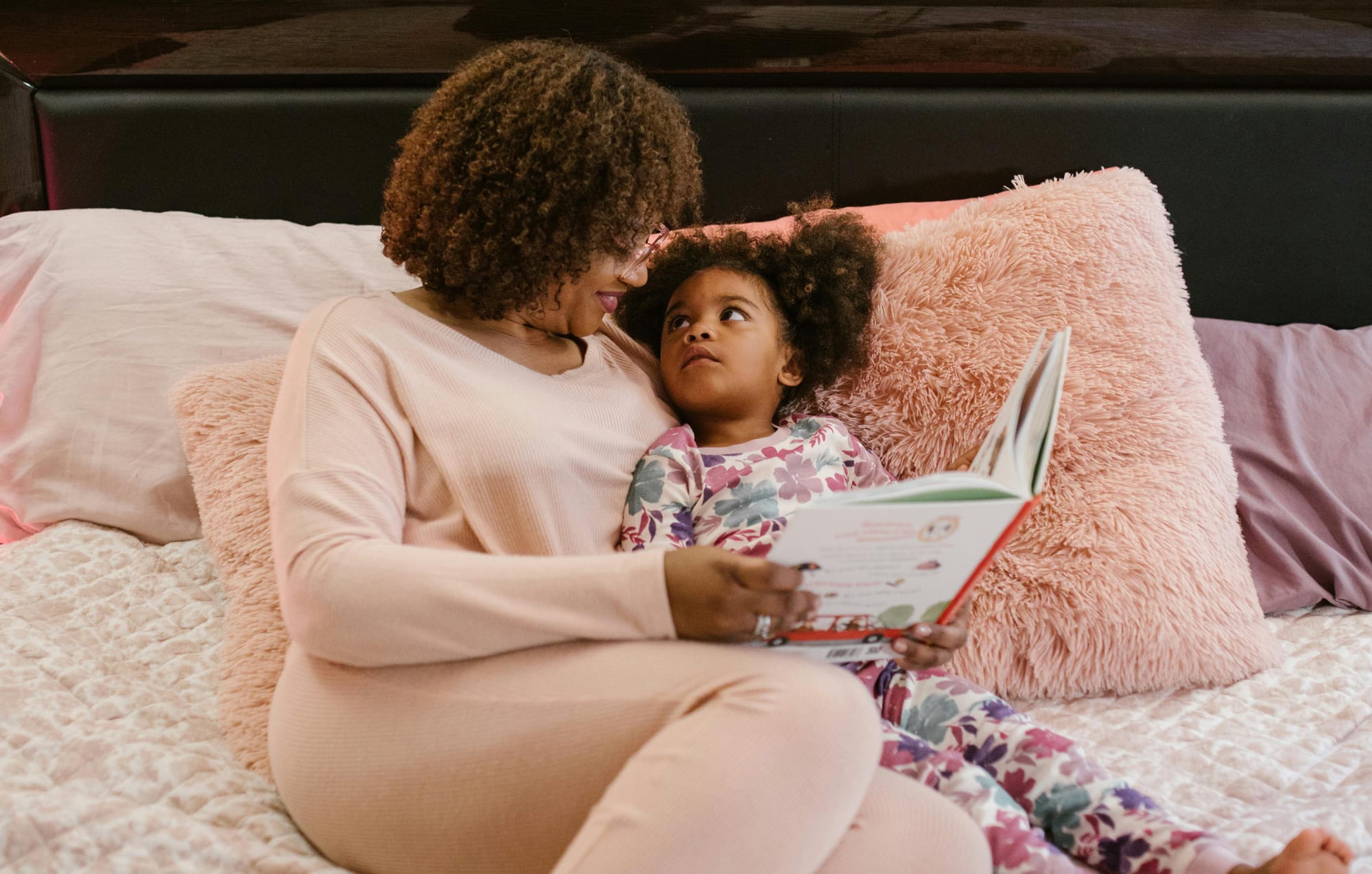
'The stories we return to at bedtime, the ones requested again and again, quietly shape how children see themselves and others'
Storytelling also plays a crucial role in identity. When children see characters who reflect different backgrounds, personalities and abilities, it broadens their understanding of what is possible. Representation tells a child, “You belong.” It shows them that their voice matters and that their uniqueness is something to celebrate. At the same time, exposure to stories about lives different from their own builds curiosity rather than fear. It creates openness instead of judgement.
When life can often feel fast paced and overwhelming, the ritual of reading together creates something deeply grounding. Sitting down with a book is not only about literacy; it is about connection. It is a pause. A shared moment. A safe space where questions can be asked and conversations can begin. Often, the most meaningful discussions about feelings, fairness or friendship emerge from the pages of a story.
When I became a mother, storytelling took on an even deeper significance. I felt a strong pull to create something with real purpose, something that would last beyond the busyness of daily life. I began to think more intentionally about the messages my children were absorbing, not just from the world around them, but from the books on their shelves.
Through storytelling, I wanted to create stories that spark imagination while also planting small, meaningful seeds. Seeds that encourage children to be kind even when it is not easy. To be curious about people who are different from them. To be compassionate when someone is struggling. To be mindful of the environment and their place within it.
Children do not need heavy lessons. They need relatable characters, engaging adventures and gentle guidance. They need stories that show them that mistakes are part of learning, that bravery can be quiet, and that even small acts of kindness matter. When these themes are woven naturally into imaginative tales, they become part of a child’s inner framework - shaping how they think, act and respond as they grow.
The stories we share today help shape the generation who will care for tomorrow. Every book opened at bedtime is more than just words on a page. It is an opportunity to nurture empathy, resilience and responsibility. It is a chance to model the kind of world we hope our children will create, one built on understanding, respect and care. And when we choose stories with intention, we are quietly helping to shape thoughtful, kind and conscious human beings, one page at a time.
About Yasmine Anane
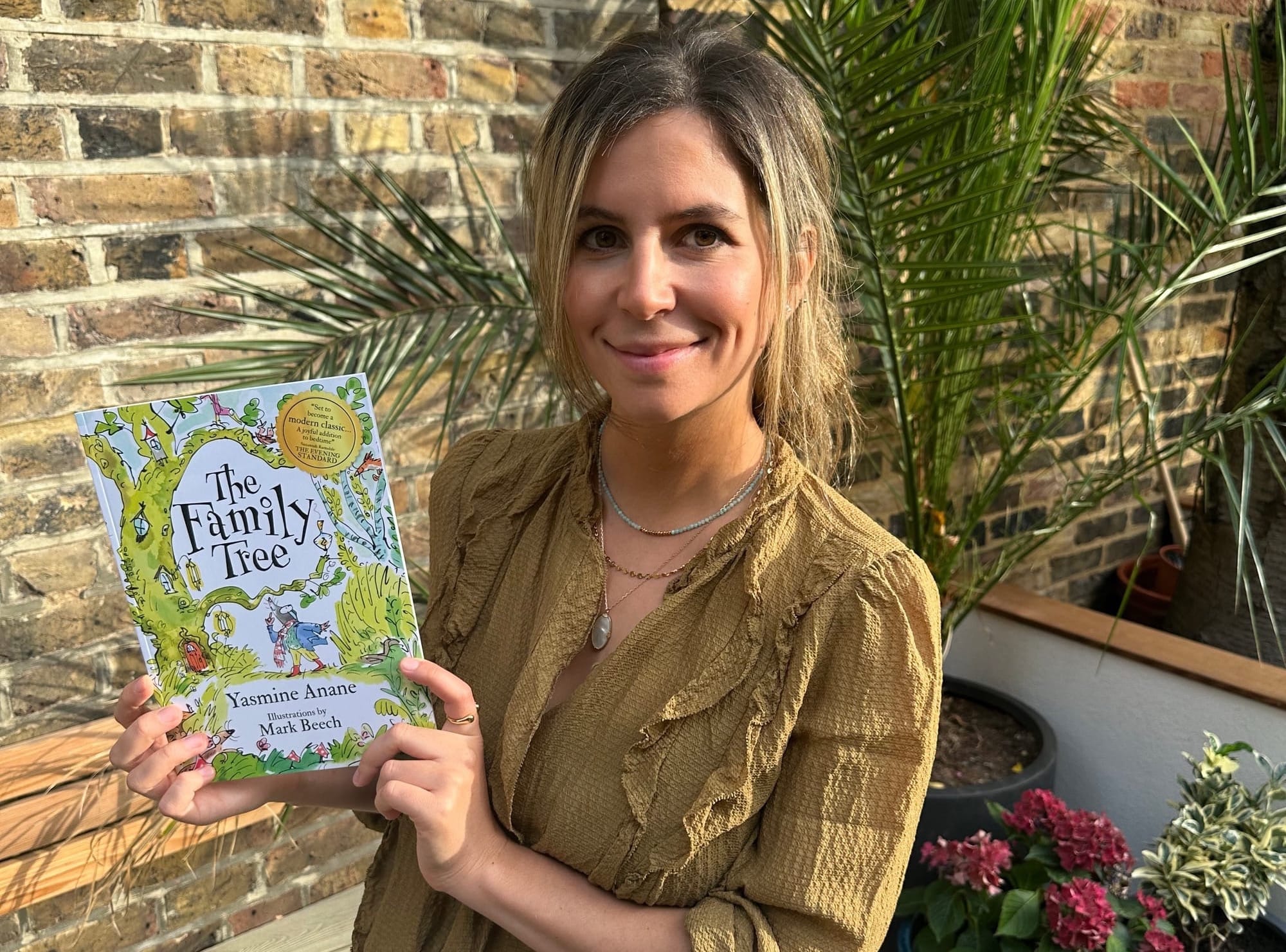
Yasmine Anane from West London is the Best Selling Children’s Author of The Family Tree and new book Whitney the Wasteater and the Wrong Bite. She has two young children ages 3 and 1, and has quickly established herself as a rising voice in children’s fiction. The Family Tree achieved Amazon bestseller status in children’s fiction categories, was shortlisted for the Spark Book Awards, and is now used in multiple schools as part of early years learning schemes. The book was also named Tiny Trees’ bestselling book of 2025 and is stocked in Waterstones, Trotters, and a number of independent bookshops. Yasmine recently partnered with Trotters over Christmas, with an additional storytelling session taking place on 6 March, and will be judging a Dukes Education book competition on 13 March, further cementing her growing presence within the children’s literary space. www.yasmineanane.com


