


What does a typical day look like for a child at Brockwood — and how does it differ from a conventional school day?
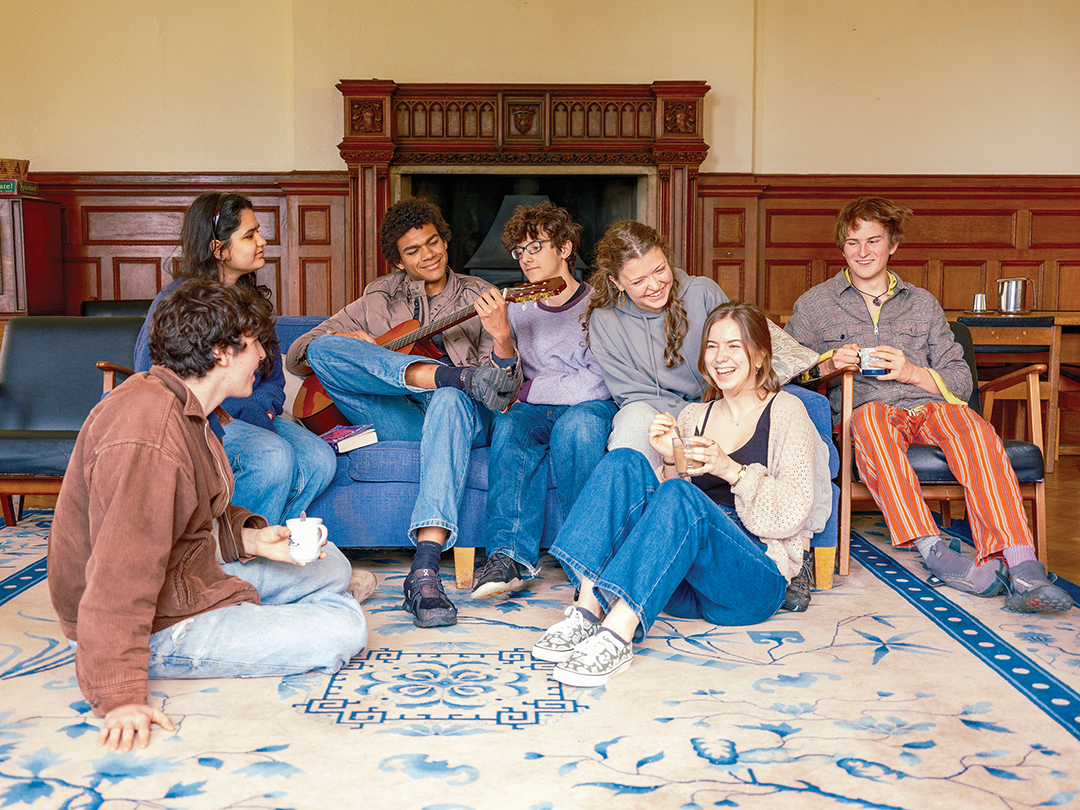
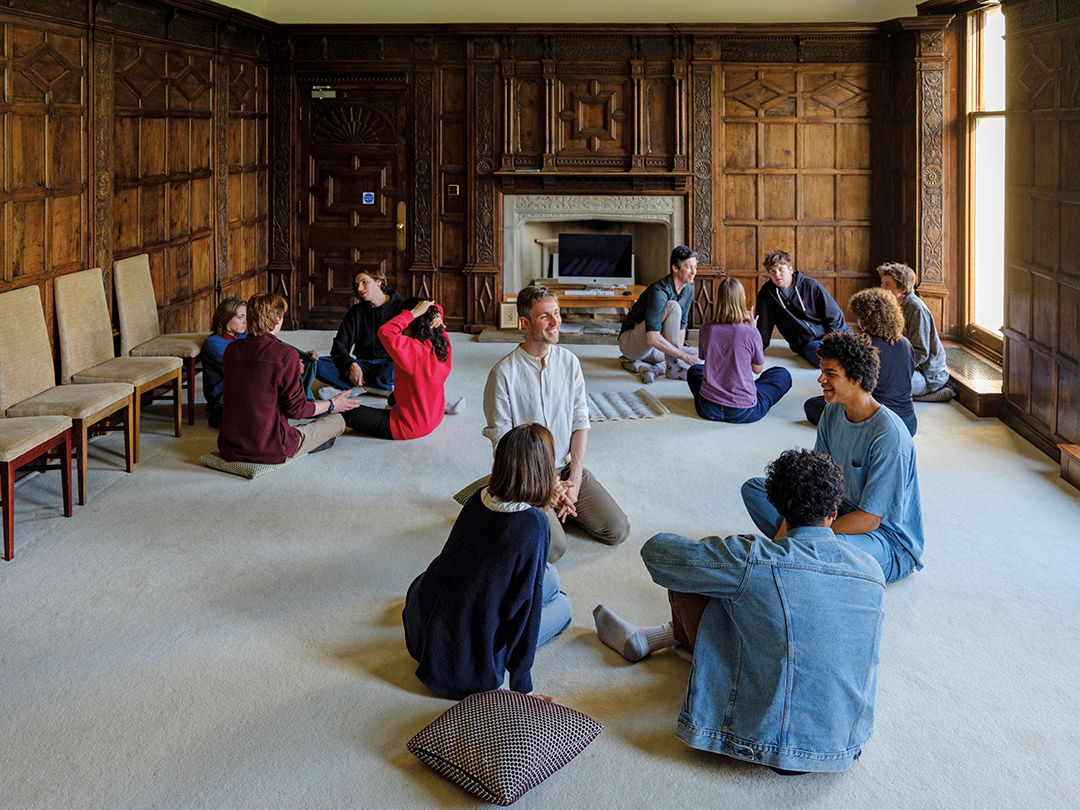
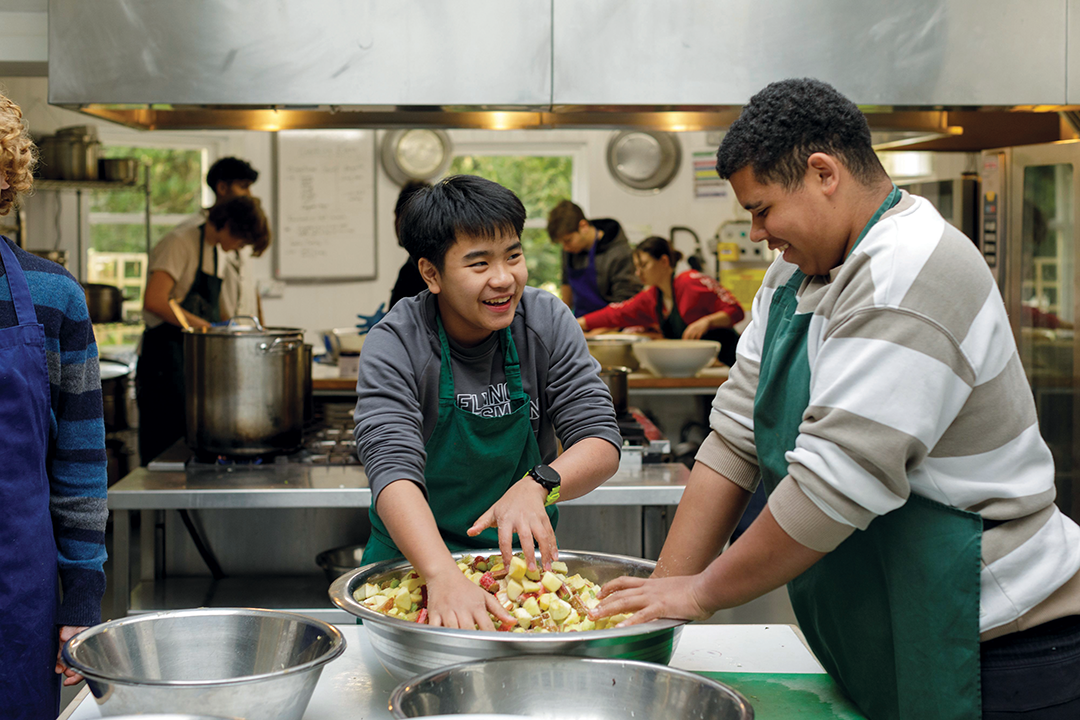
A typical day at Brockwood starts with a whole-school silent morning meeting, where we all sit together quietly in our Assembly Hall — or sometimes outside in nature — to observe the movement of our own minds and gather energy for the day. After breakfast comes 30 minutes of Morning Jobs, where everyone helps care for the school. Classes run through the morning and afternoon alongside sports, with free time from around 5pm to make art, play music, throw a frisbee on the lawn, walk in the grounds, or simply sit by the fire. Smartphones are not part of daily life here, except on Saturdays — which leaves students free from the pressure to be always connected, and gives them more space for direct engagement with community, activities and nature.
Brockwood is one of only six Krishnamurti schools in the world. For a parent who has never encountered his teachings, how would you explain what that means for their child’s daily experience?
Krishnamurti founded Brockwood as a centre of learning where students and teachers explore fundamental questions of life in a setting free of fear, authority and dogma. Learning about oneself happens only in relationship — to others, to nature, to ideas. Brockwood is set up so that it quickly becomes a genuine home for students, where they actively participate in daily life, engage with nature, and take part in open discussions and inquiry. Perhaps most distinctively, students are not being moulded into any particular image or ideal; instead they are encouraged to ask questions freely and explore life with vigour and curiosity. This creates a warm, positive environment that carries with it a sense of seriousness and responsibility — for oneself, for one’s learning, and for the place.
How do you balance giving children freedom with ensuring they’re prepared for life beyond school?
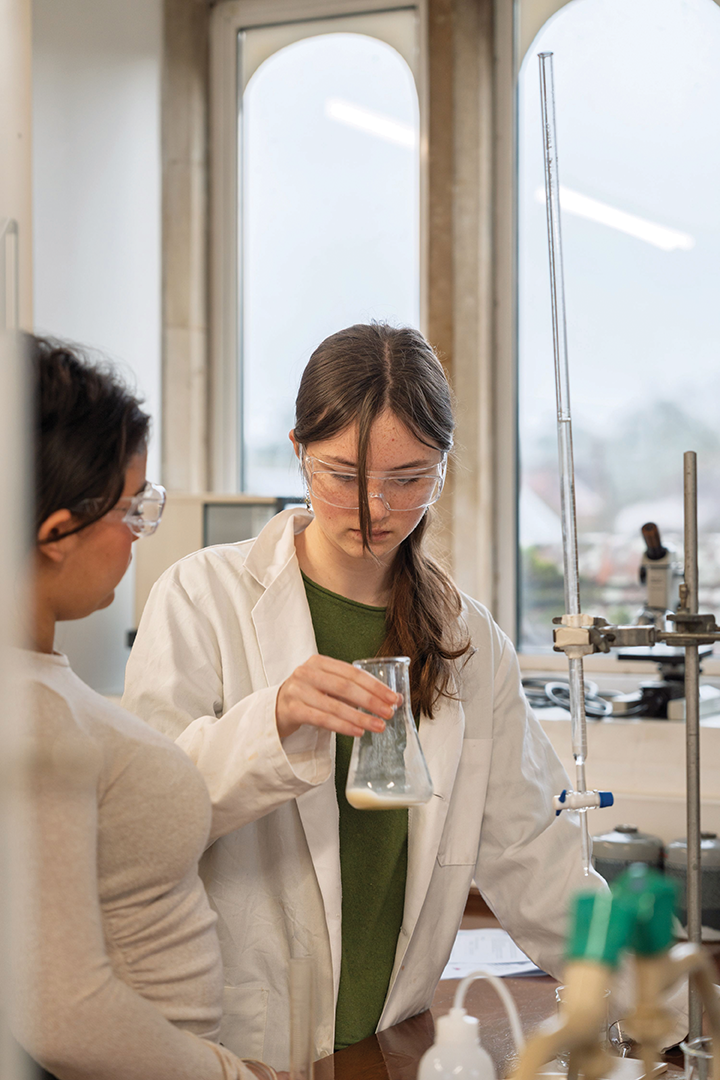
At Brockwood, freedom and preparation aren’t in tension — they’re the same thing. Students discover their interests and talents through wide exposure to different activities, in a setting of genuine learning rather than exam-focused pressure. Older students can pursue A Levels through taught courses or self-study.
But perhaps the deepest preparation happens through community life itself. Students help care for the school, bring their own initiatives, and take part in regular discussions about the fundamental questions of living together — including a questioning of the society they’re growing up in, with its emphasis on comparison, competition and acquisitiveness. In a small, international community, encountering different perspectives while also being encouraged to look inward at their own reactions and habits, students tend to develop emotional maturity, practical independence and confidence in relationships quite naturally.
How do you approach assessment — and what do you say to parents who worry about grades and outcomes?
Assessment at Brockwood is personal and light-touch. Small classes give teachers natural insight into each student’s progress, and students are constantly encouraged to take responsibility for their own learning and to find motivation that comes from genuine interest rather than external pressure. For those pursuing A Levels, assessment is more formalised, with mock exams and structured feedback. Parents drawn to Brockwood will find a school that supports every child individually, according to their needs, strengths and interests — though the school does not have specialist provision for complex or severe special educational needs. Those looking primarily for guaranteed academic outcomes may find a better fit elsewhere. Brockwood works best when there’s a genuine fit, for the child and the family alike.
What does wellbeing mean at your school, and how is it woven into daily life?
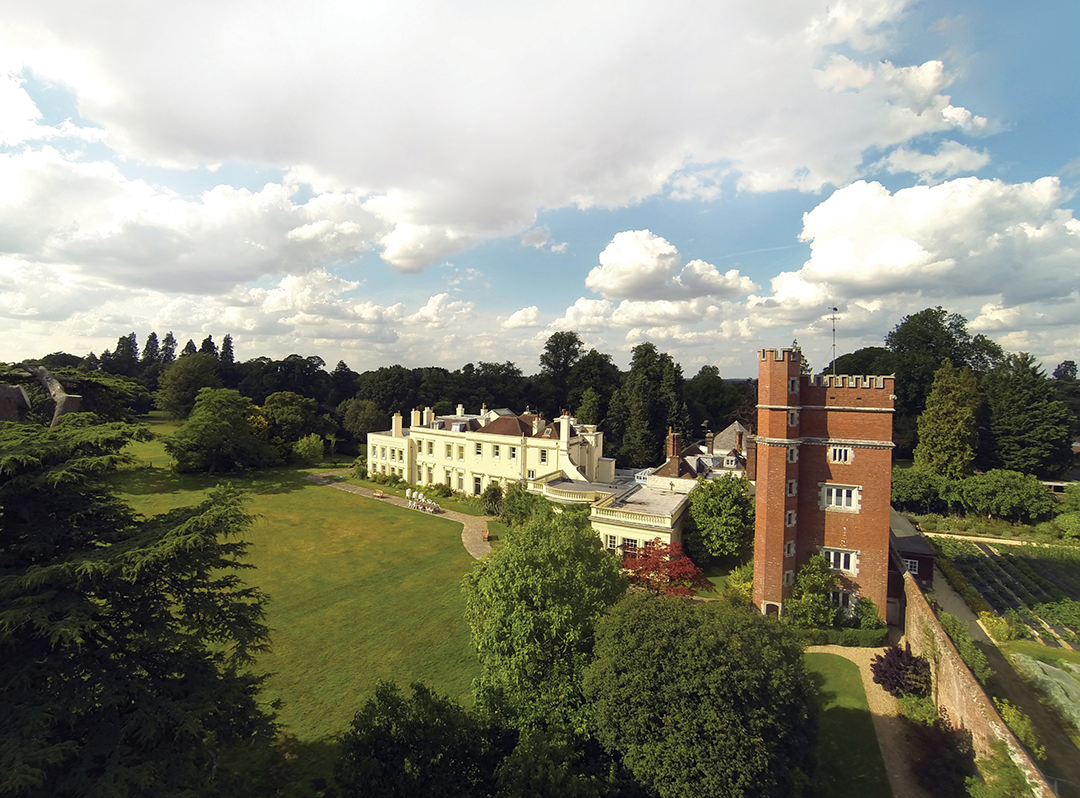
Brockwood offers an extraordinary setting for wellbeing: a place surrounded by rolling hills, ancient trees and natural beauty, within a small, family-like community where relationships are positive and friendships form without the pressure of conformity or comparison. Students have personalised timetables, plenty of sport and physical activity, healthy vegetarian food — much of it organic or from our own garden — and silence woven into the daily rhythm through our morning meeting. But true wellbeing goes deeper than that. It depends on each person’s interest in understanding their own background, conditioning and habits, and exploring the possibility of being free from them.
Is there anything else you’d like parents to know?
Brockwood is genuinely one of a kind — a small, international boarding community of around 70 students aged 14 to 19, drawn from over 25 countries. That international mix is not incidental; it’s central to the education. Living and learning alongside people from very different backgrounds is itself part of what Brockwood offers.
The school sits within a beautiful Georgian estate in the South Downs, and staff from around the world live on-site alongside students, with a genuine interest in the intentions of the school.
After Brockwood, students go in many directions: universities both traditional and alternative — including liberal arts colleges in the UK, US and Netherlands — apprenticeships, creative fields, or a gap year to find their own footing.
Financial support is available. Bursaries are means-tested and not linked to academic performance, because a family’s financial situation shouldn’t determine whether their child can access this kind of education.


