


Karden Rabin shares seven neuroscience-backed tips to help parents stay calm during a child's meltdown.
Parenting is an incredible journey filled with love and joy, but it is also the hardest and most challenging thing in the world, especially during a child's meltdown. We have all been there: wanting to be the best parent we can be, but getting so triggered that we end up behaving in a way we wish we hadn't.
The truth is that when we are exhausted and overwhelmed and get triggered, our body's stress response takes over and the higher centres of our brain that can calm us down go offline. In these moments, we need body-based practices, not mental ones, to stay regulated and help our child.
Below are seven neuroscience-backed (and parent-tested!) tips to help you through these difficult moments. Give each a try, use whichever works best for you, and feel free to combine them during a meltdown. They work well together!
1. Use earplugs or noise-cancelling headphones
When your child is having a meltdown, the noise can push you into sensory overload, making it difficult to stay calm. Earplugs or noise-cancelling headphones can reduce the auditory intensity and help you keep your composure. Research shows that reducing sensory input can significantly lower stress levels and improve emotional regulation.
2. Soften your tongue
You might not realise it, but the position of your tongue can influence your stress levels. When we are stressed, we often tense our tongue and press it to the roof of our mouth, adding to overall body tension. By consciously softening your tongue and letting it rest gently in your mouth, you can relax the entire core line of your body (throat, diaphragm, abdomen and pelvic floor) and reduce reactivity.
3. Practise deep breathing
Deep breathing is a powerful tool for calming your nervous system. The 4-7-8 technique can be particularly effective: breathe in deeply through your nose for four seconds, hold for seven seconds, then breathe out slowly through your mouth for eight seconds. Repeat this cycle a few times to centre yourself during your child's meltdown.
4. Use your voice
Humming or singing a tune that you and your child both enjoy can be a lifesaver during a meltdown. This activates your vagus nerve, which helps send signals of calm to your body and brain. Humming also brings a sense of rhythm and synchrony between you and your child, helping them move out of upset and into connection, which is vital for a child's emotional regulation.
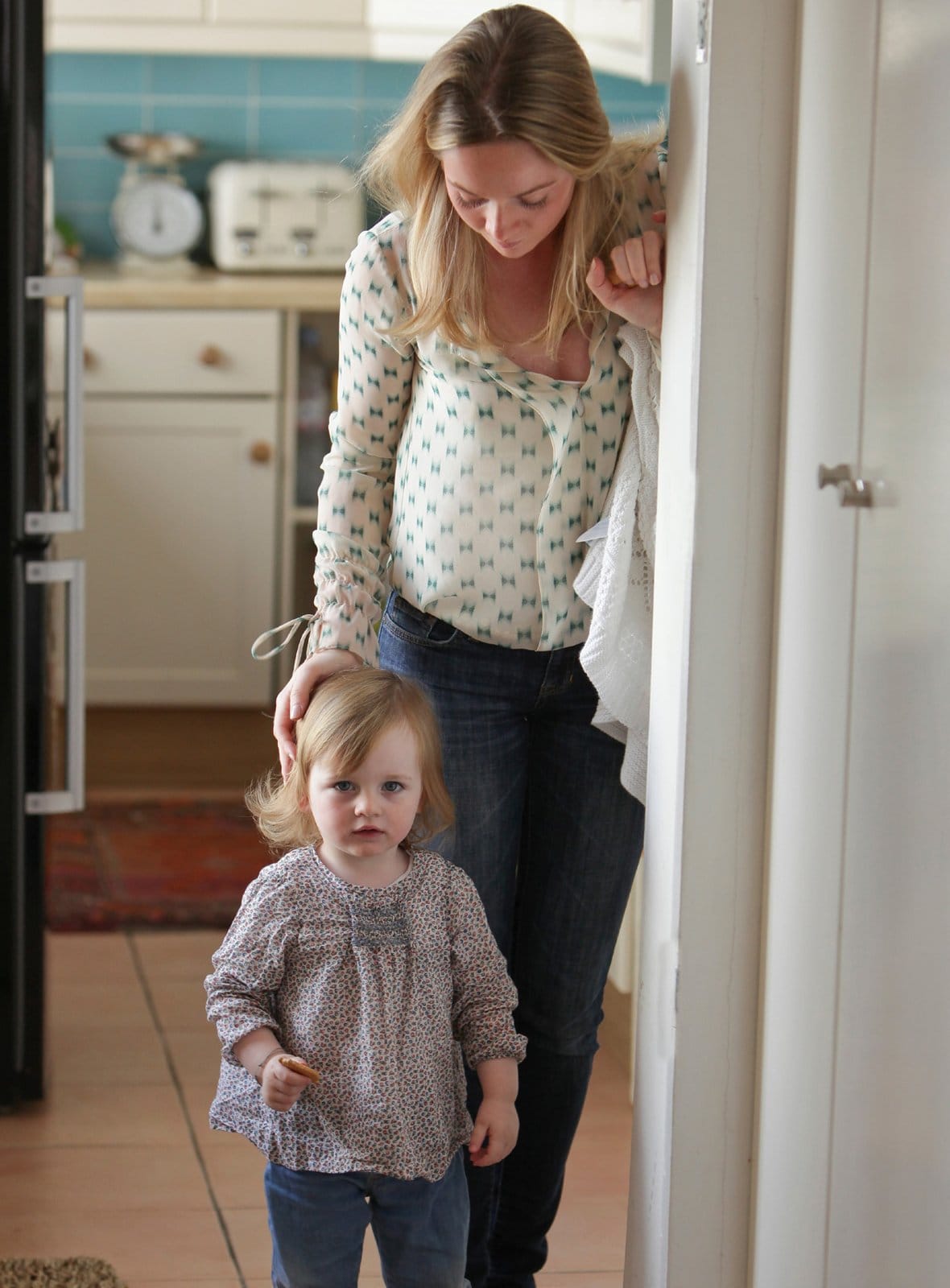
“Letting go of your agenda as a parent and simply being with your child is incredibly effective”
Karden Rabin
5. Try emotional spreading
This involves expanding the felt sense of an emotion throughout the body, to build your capacity to tolerate and integrate it. When you feel overwhelmed, try locating the emotion or sensation in your body and consciously spreading it to other areas, like water being absorbed into kitchen roll. This can help dissipate the intensity of the emotion, making it more manageable.
6. Relax your hands and forearms
When we get triggered, our nervous system often produces a lot of energy that makes us want to scream or hit something. Instead of just trying to repress it, you can use progressive muscle relaxation to channel that energy through your muscles in a productive way, easing tension and calming your nervous system.
I recommend focusing on your hands and forearms, as it's easy to do mid-meltdown. Clench your fists tightly for a few seconds, then slowly release and let your hands relax. Repeat a second time, add a few rotations of your wrists, and then relax them.
7. Let go of the outcome and connect with your child
A big part of the stress of a meltdown is feeling that we must fix it or stop it right away. In truth, what we really need to do is simply be there, providing support and containment to help our child ride out their big emotions. They'll come back to baseline with very little intervention.
Letting go of your agenda as a parent and simply being with your child is incredibly effective, because it takes away the pressure of "having to do something", which allows you to relax. Your calmness and presence then relieve the pressure on your child and make it easier for them to calm down too. Being present can mean physically holding and comforting your child or, if they don't want to be touched, humming quietly while staying close and letting them know you care.
Karden Rabin is a father of two, a certified Somatic Experiencing practitioner and co-founder of Somia. He lives with his family in the Berkshires, Massachusetts.
More inspiration: read The Secret Language of the Body by Jennifer Mann and Karden Rabin. Visit kardenrabin.com or somiainternational.com for ideas and resources on nervous system regulation, and follow @kardenrabin on Instagram.
This story first appeared in The Green Parent magazine.


