


Whether it's a single sapling in a back garden or the beginnings of a new woodland, putting a tree in the ground is one of the simplest and most lasting contributions any of us can make; to the environment, to wildlife and to our own quality of life.
Trees absorb carbon dioxide from the atmosphere, helping to offset the effects of climate change. They improve air quality, reduce flooding by slowing rainwater runoff and create habitat for an extraordinary range of wildlife. But they're good for us too. There is something deeply satisfying about watching a tree you planted grow and change with the seasons. Spending time among trees has been shown to reduce stress and improve mental wellbeing. A garden or woodland you've planted yourself becomes a place of personal meaning.
Getting the best results does take a little thought at the outset. At Woodlands.co.uk, we've spent decades helping people choose, plant and nurture trees, and our experience shows that a few practical steps early on make all the difference.
Choosing the right species is the most important decision. Most native broadleaf trees - oak, birch, hazel, hawthorn, rowan, field maple - are adaptable and will grow happily on a wide range of soils and sites across the UK. If your ground is particularly wet or heavy, species like willow, alder and hornbeam cope well. Lighter or acidic soils suit birch, rowan and Scots pine. Observing what already grows well nearby is often the best guide of all; nature has already done the research for you.
Timing matters too. Bare-root trees, which are cheaper and often establish better than potted ones, should be planted while dormant, usually between late autumn and early spring. Container-grown trees offer more flexibility but still do best planted outside the heat of summer.
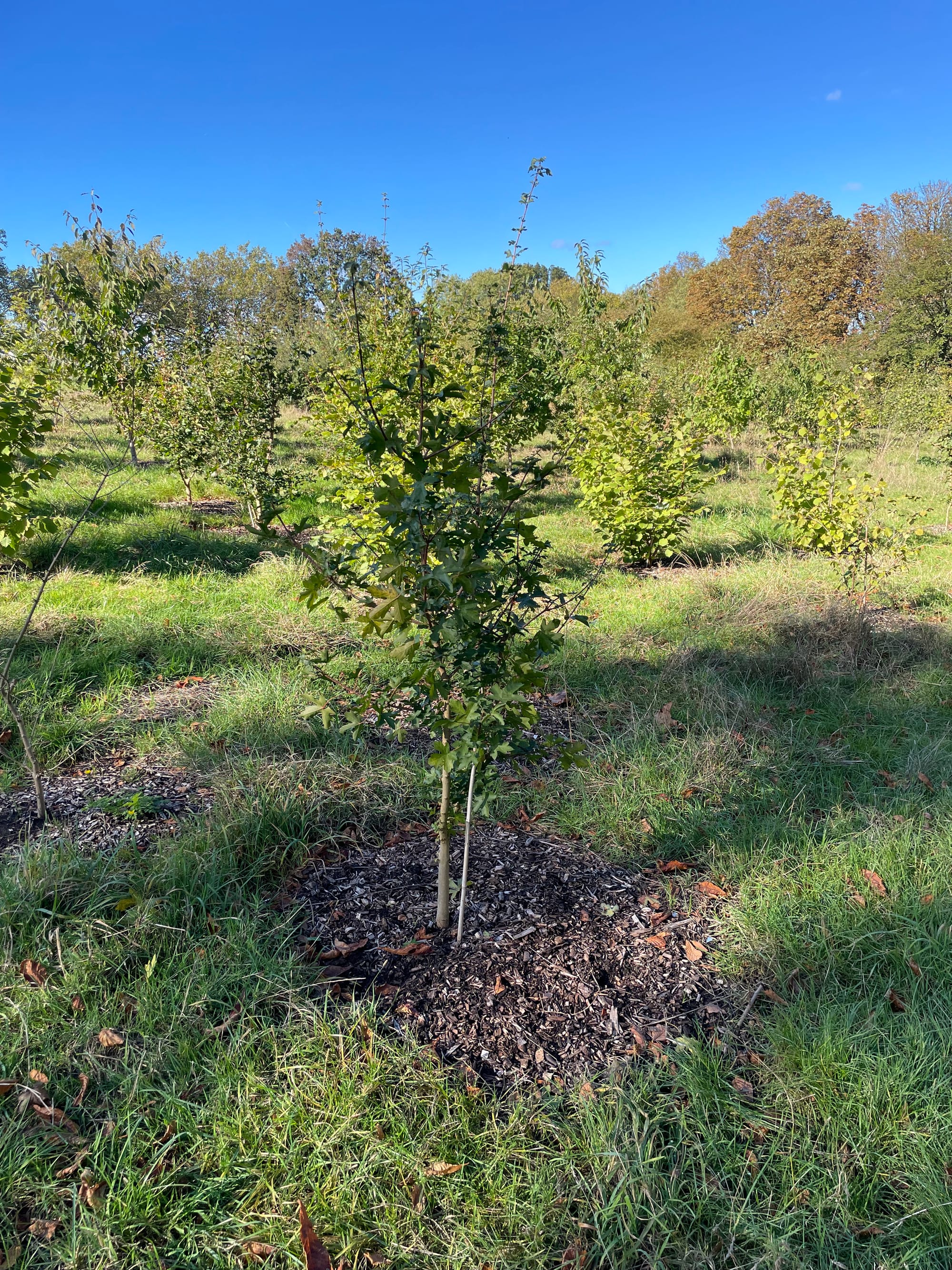
The planting itself is straightforward. Dig a hole slightly wider than the root spread and no deeper than the root collar - the point where the trunk meets the roots. For bare-root trees, spread the roots out carefully. Backfill with the original soil, heel-in gently and water well. A layer of mulch around the base helps retain moisture and suppress weeds, but keep it away from the trunk itself, where it can encourage rot.
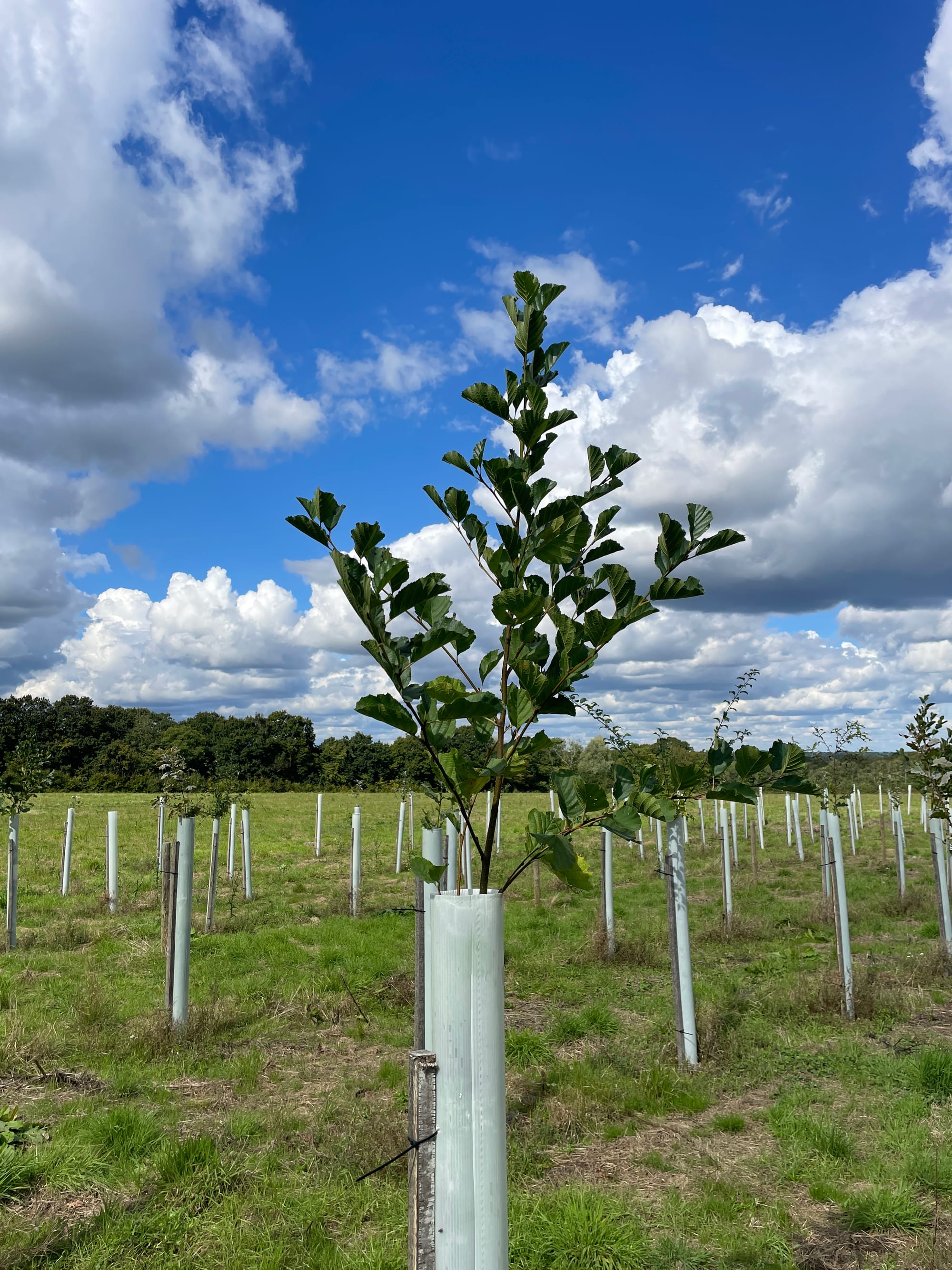
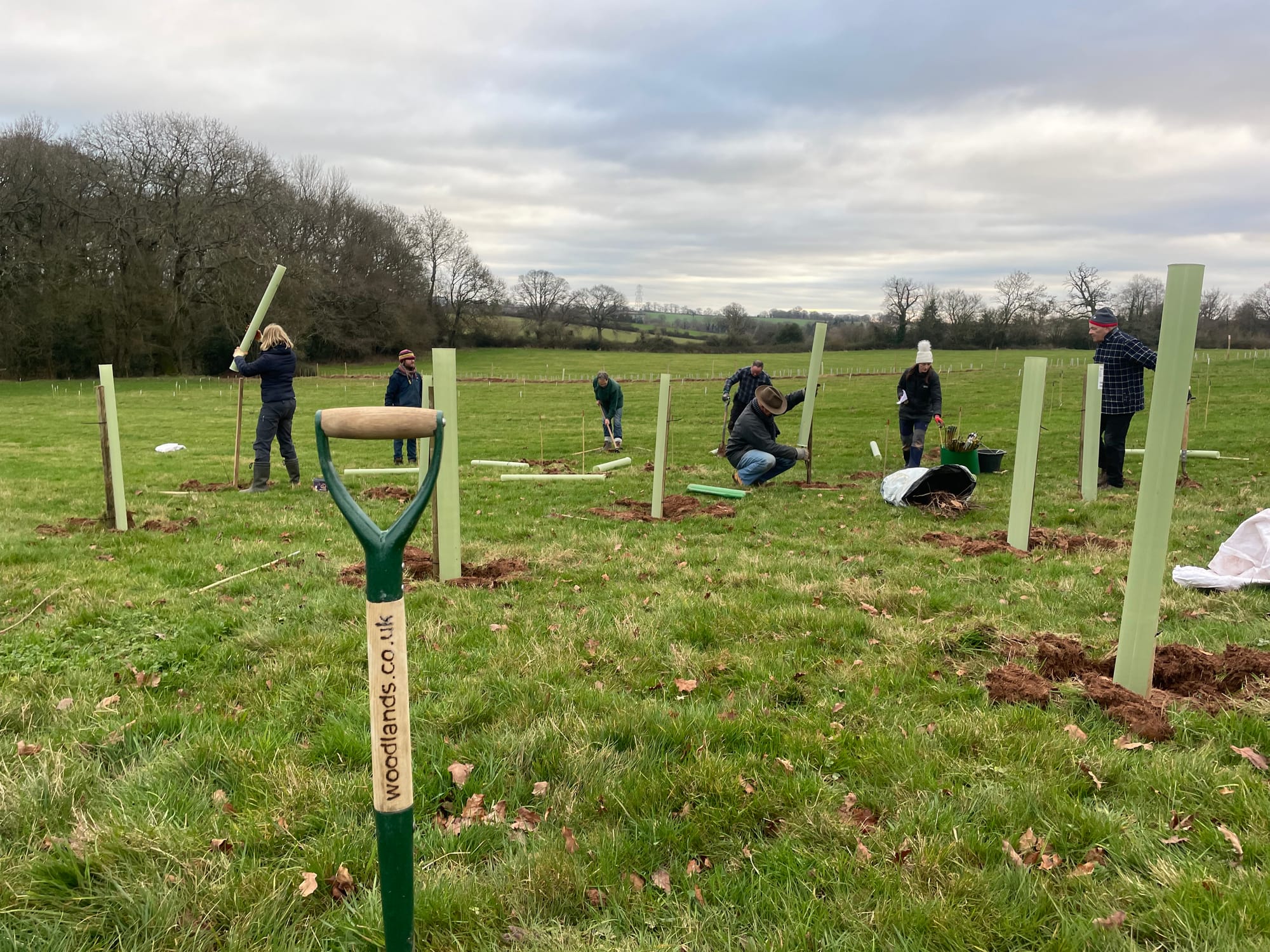
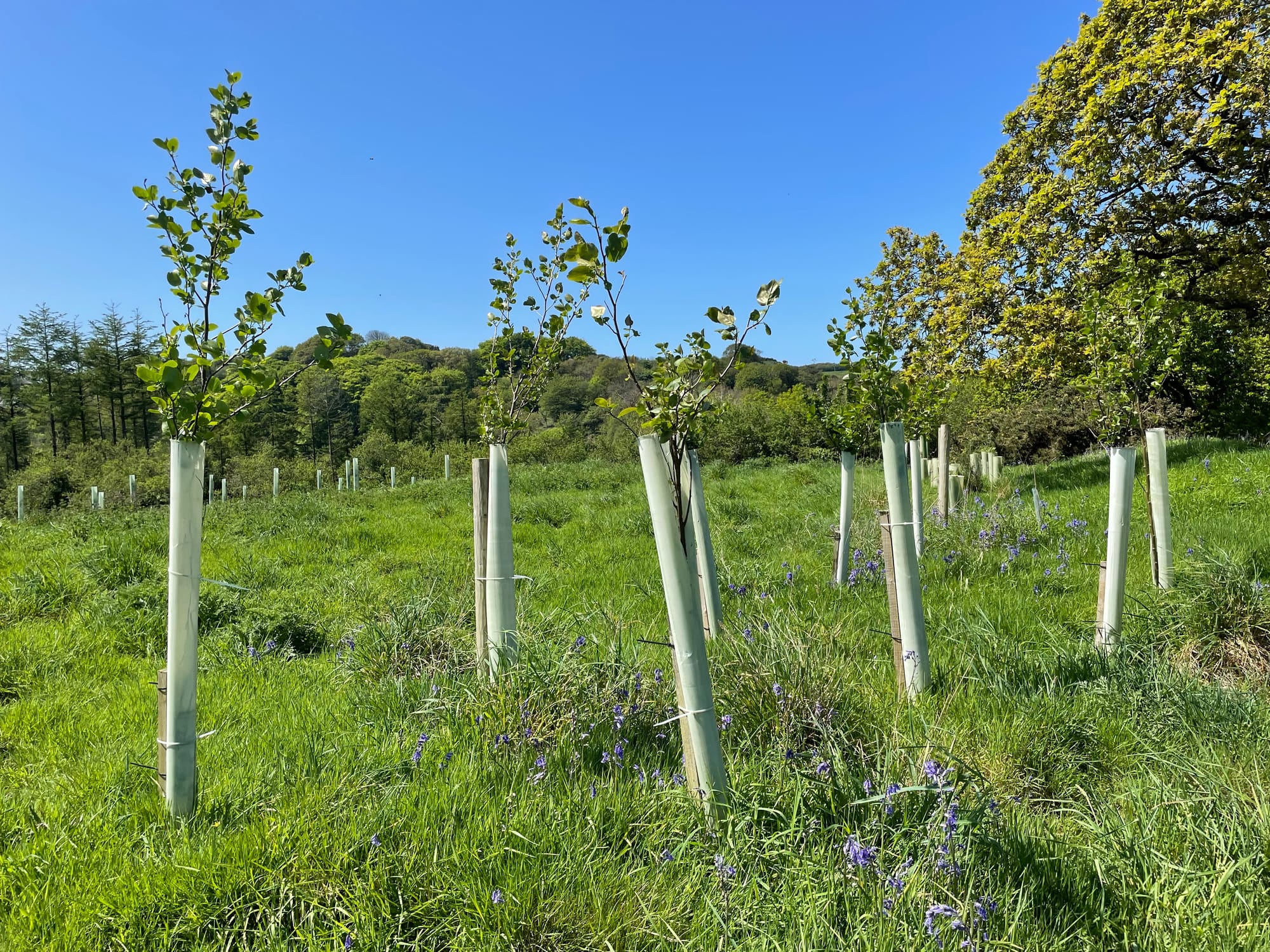
Aftercare in the first few years is where many plantings succeed or fail. Young trees need regular watering during dry spells and protection from browsing animals - rabbits and deer can damage a young tree remarkably quickly. Tree guards are a worthwhile investment. Stakes can help in windy positions but should be removed after the first year. Keep an eye out for pests or disease and act early if you spot problems.
Some species are more forgiving than others. Silver birch, rowan, and hawthorn are hardy, fast to establish, and require very little fuss. Oaks, beech, and hornbeam are slower growing but reward patience with magnificent trees in time. Mixing fast and slow-growing species creates early visual impact while the slower trees come into their own over the years.
A few common mistakes are easily avoided. Don't plant too deep. Space trees according to their eventual mature size, not how they look as saplings. Keep the area around young trees clear of competing grass and weeds, but avoid heavy-handed clearing that damages surface roots.
Even a single well-chosen tree makes a difference - to the air, to the soil, to the birds that nest in it and to the person who planted it. Choose the right tree for the right place, plant it with care, look after it in its early years, and enjoy the results for decades to come.
Founded with a mission to make woodland ownership accessible and enjoyable, Woodlands.co.uk offers private woodlands for sale across the UK. The company provides resources and guidance for new owners to explore creative ways of managing their woodlands for personal and community benefit. Whether for conservation, leisure, or environmental education, Woodlands.co.uk empowers individuals to steward and protect their woodlands for generations to come.


