


Anton Baskerville of woodlands.co.uk picks out what to look and listen for on a Halloween walk in the woods.
Forget pricey Halloween attractions. This half-term, the scariest sights around are free, and probably just down the road in your local wood.
Strange fungi, tangled branches, rustling leaves and wildlife that wakes up after dark make woodland the perfect place for children's imaginations to run wild. And behind the creepiest of them is a good story about how a wood works, and why even the things that look a bit frightening have a job to do.
1. The poisonous mushrooms
Autumn is prime time for fungi, and the woodland floor can suddenly fill with them. Some look as if they've wandered out of a fairy tale, others come in odd shapes and colours, and a few even seem to glow in the right conditions.
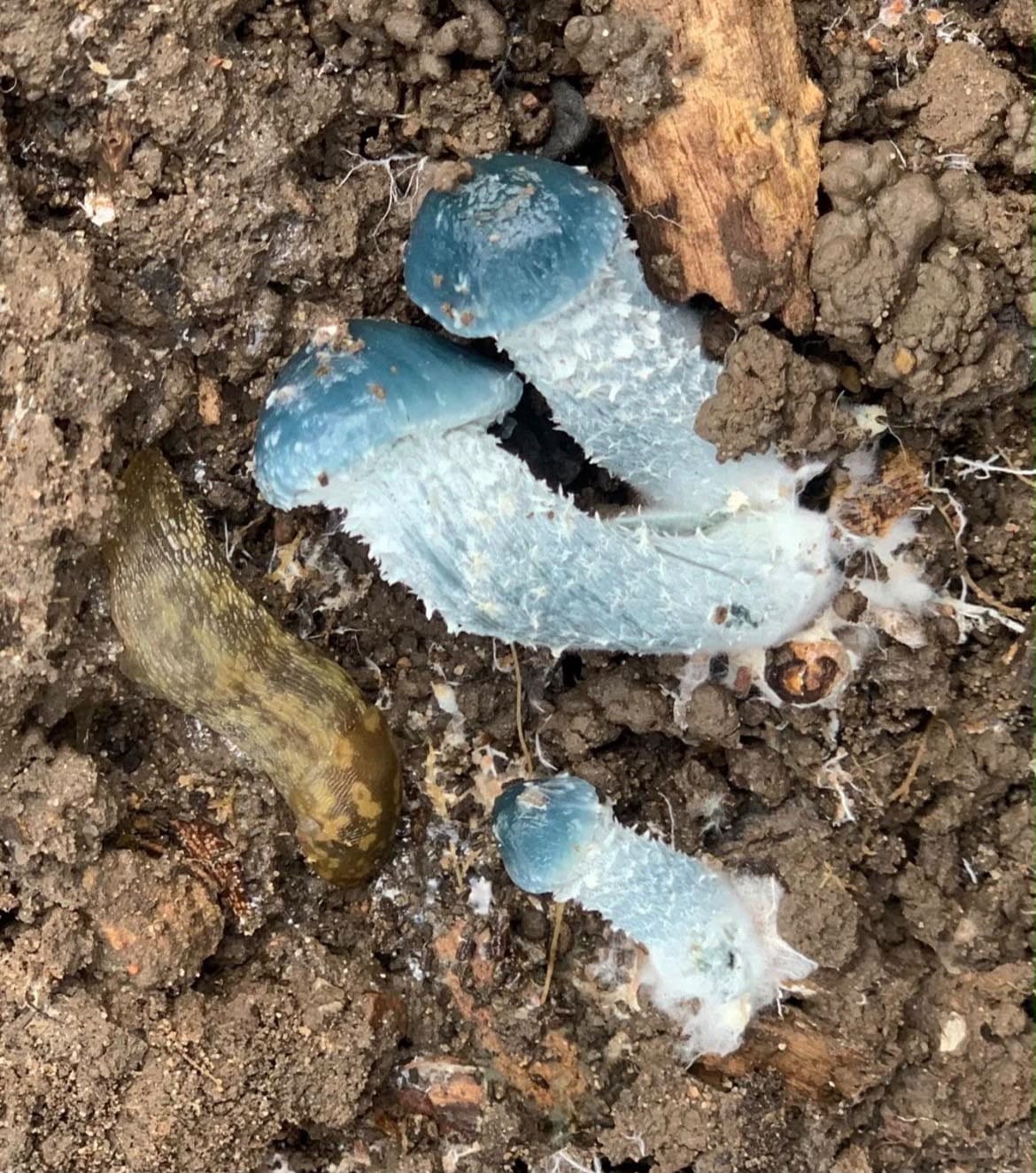
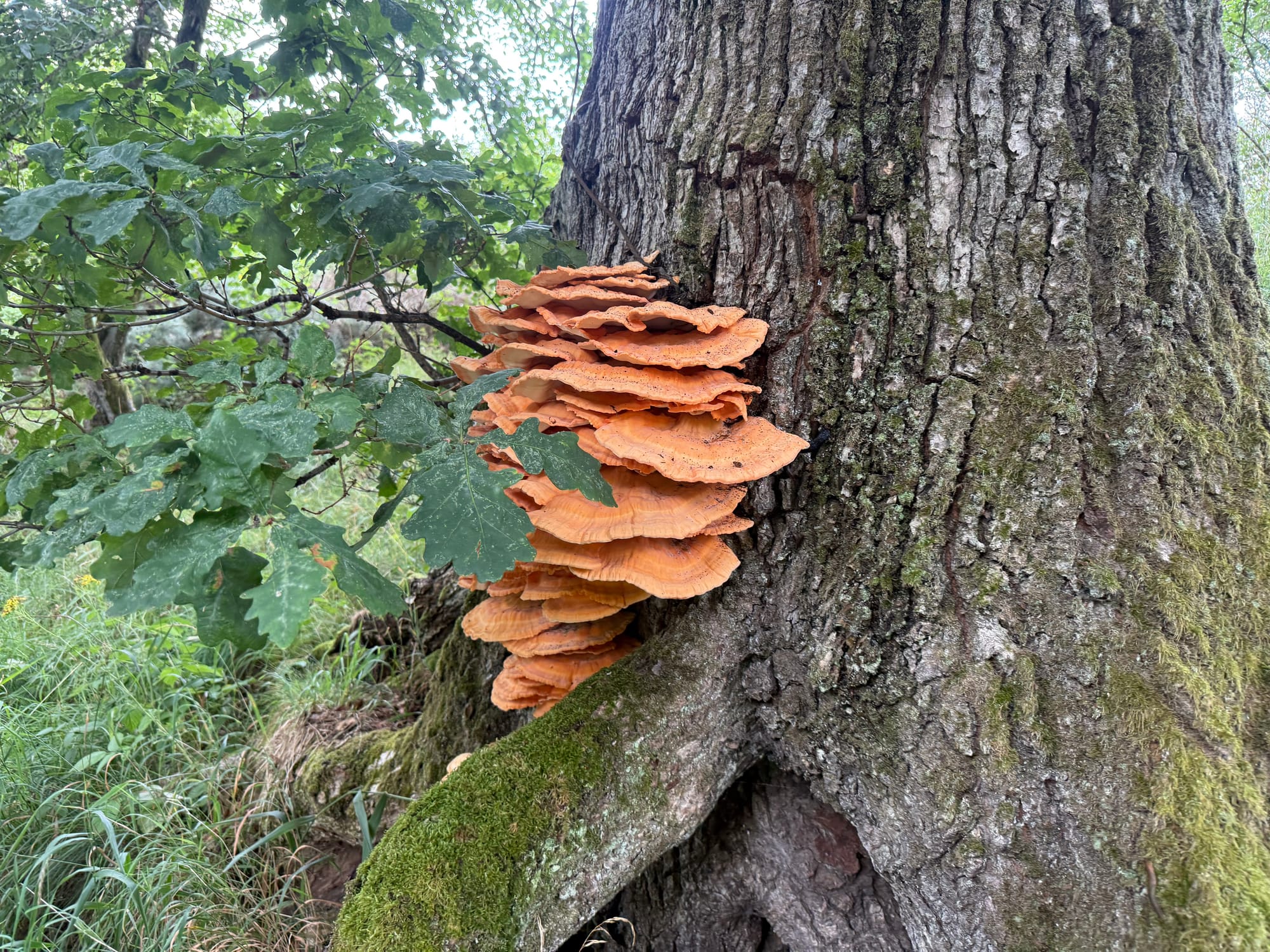
But some British mushrooms are poisonous, and telling the safe ones apart is hard. Children should never pick or eat wild fungi, however tempting they look. If the grown-ups want to learn more, our beginner's guide to mushroom foraging is a good place to start.
2. The trees that refuse to die
A dead tree with twisted branches clawing at the sky is pure ghost story. But it's far from useless.
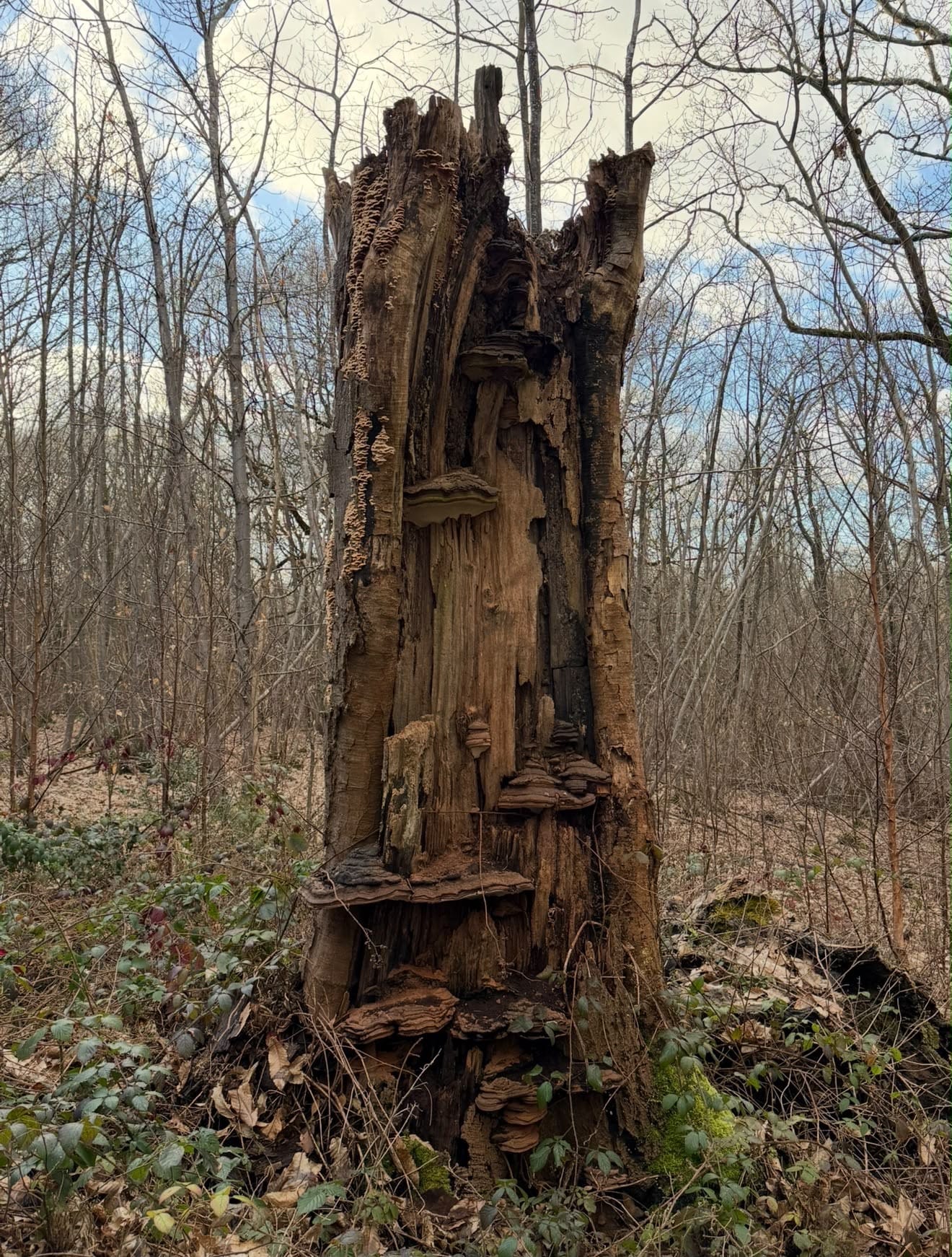
Rotting wood feeds and shelters insects, fungi, birds and small mammals, and slowly returns its nutrients to the soil. What looks like the end of a tree is really the start of something new.
3. Something went bump in the night
What was that? And did something just move in the branches?
Woods are a different place after dark. Owls call from the trees and bats swoop through clearings after insects. Foxes and badgers are out and about too, though you'll be lucky to spot one.
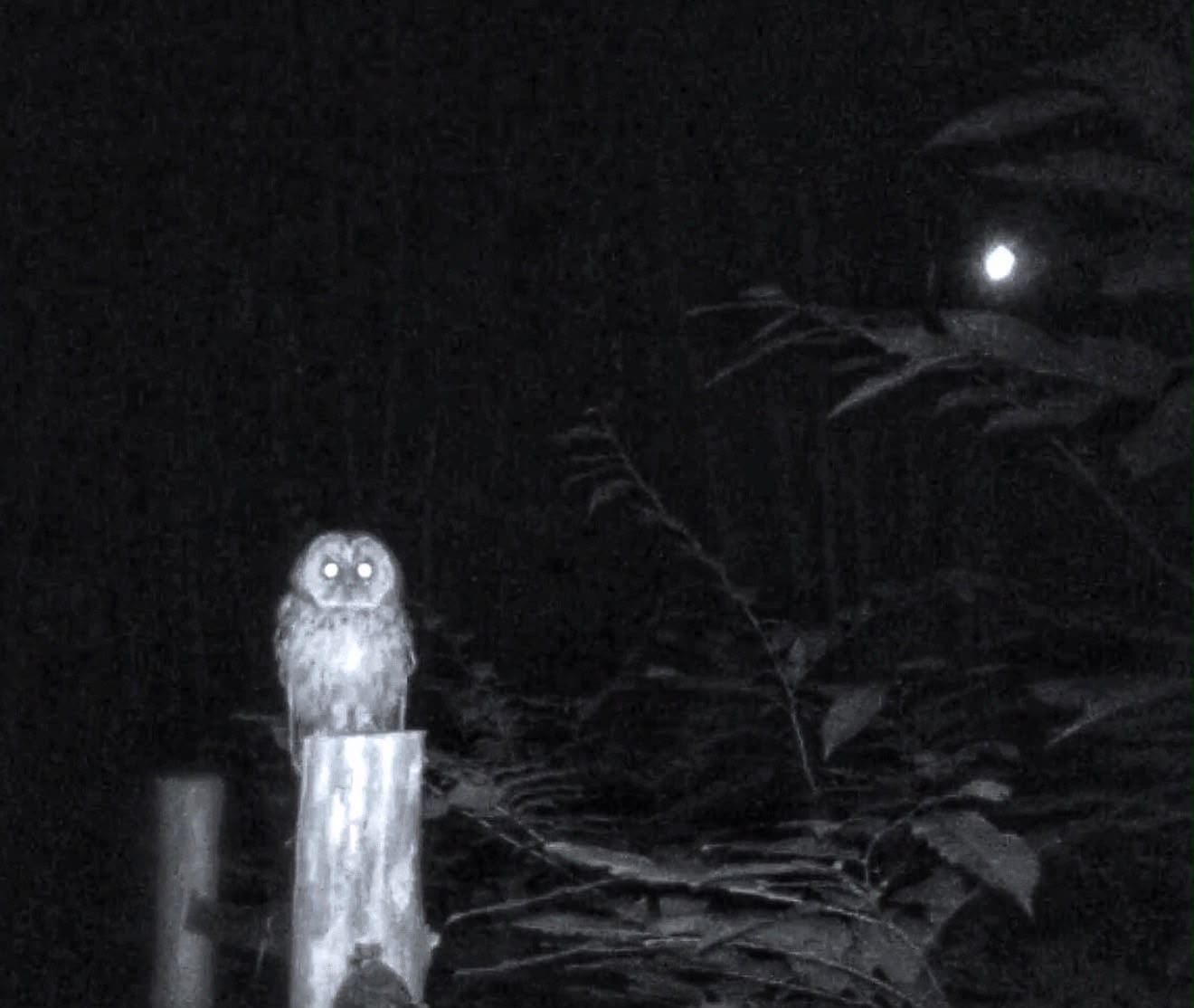
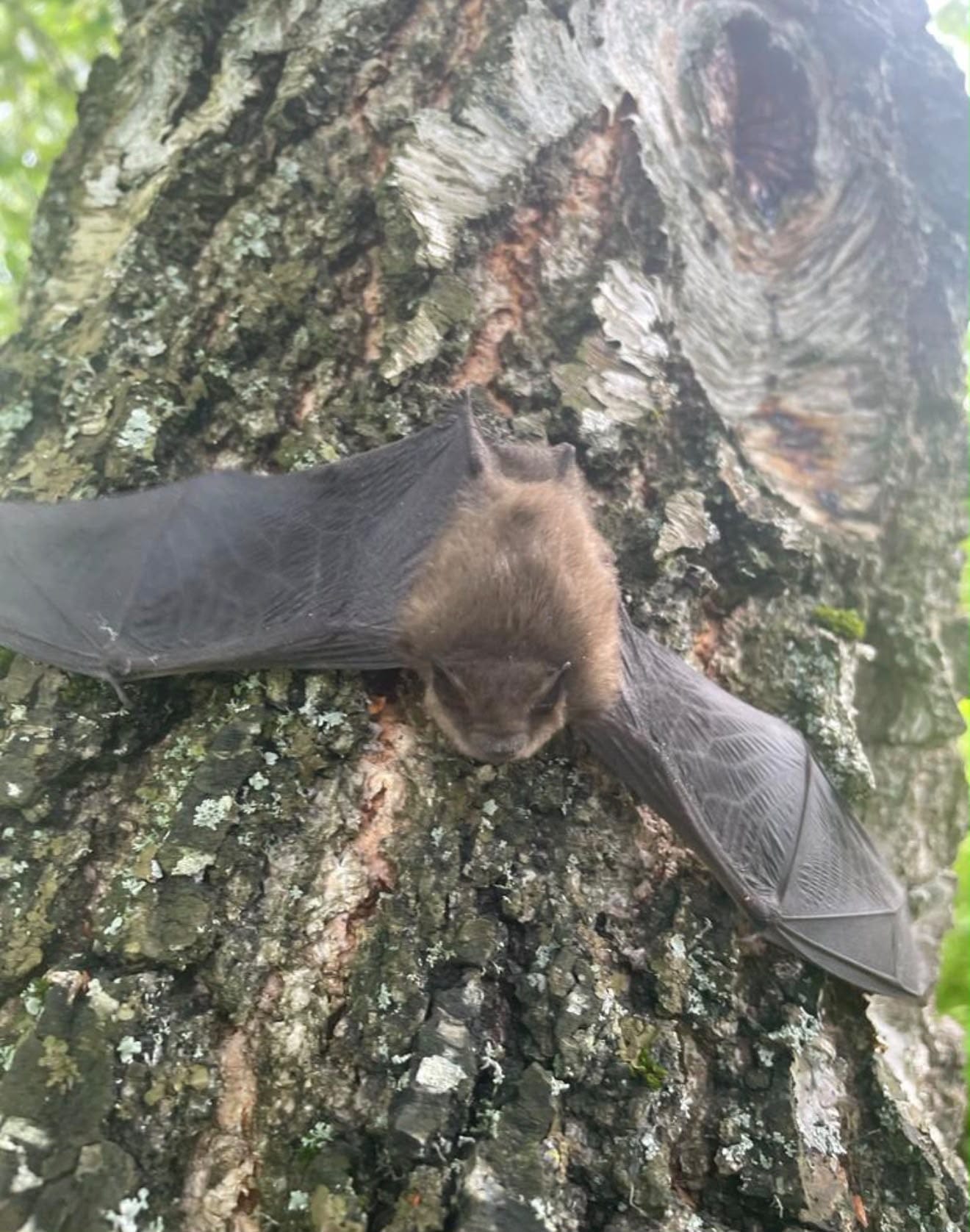
Try an early evening walk and see how many animal sounds you can pick out. Stick to safe, familiar paths and take extra care as the light goes. And if the sky is clear, look up: here's where to see the stars this half-term.
4. The web of the woodland
Spiders give some of us the creeps, but autumn is a brilliant time to find their webs, especially on a dewy morning when every thread is picked out.
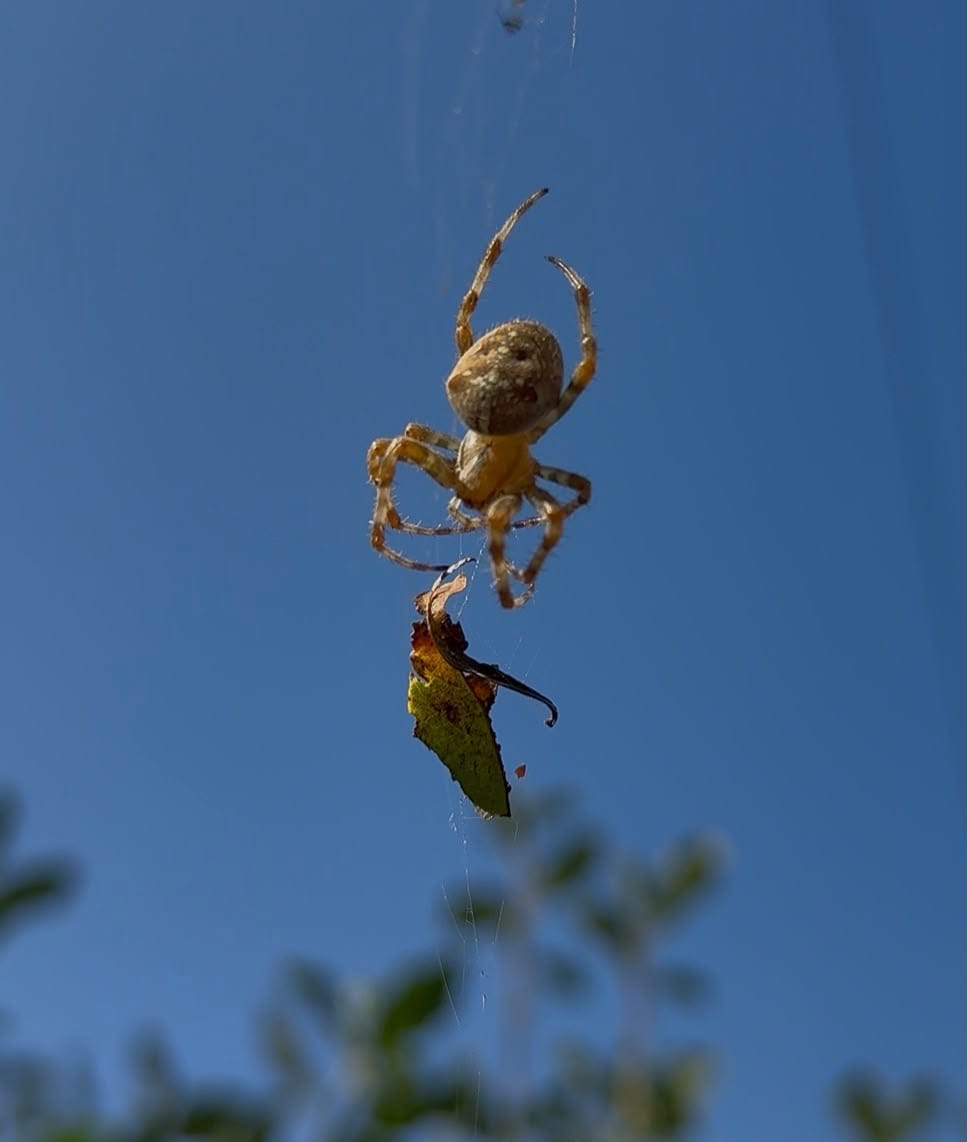
Look between branches and across low plants for these tiny feats of engineering. Spiders are important predators, keeping insect numbers in check, and they're food for other woodland animals in turn.
5. The forbidden fruit
Bright red berries look deliciously tempting against autumn leaves, but not all of them are safe.
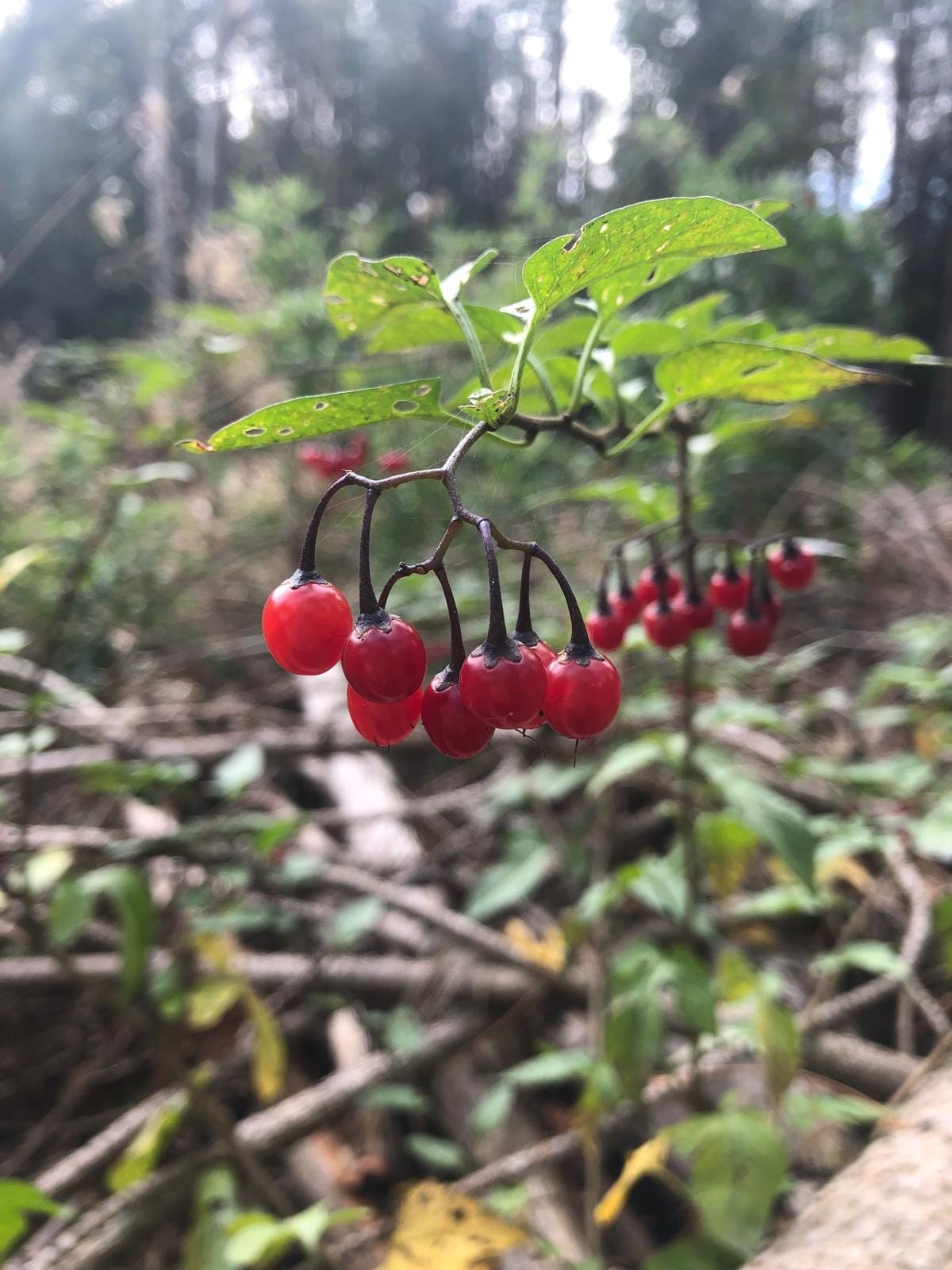
Several British woodland plants have poisonous berries, so children should never put unknown berries, leaves or other plant parts in their mouths. The golden rule is to look closely, take a photo and leave it where it is.
6. The mysterious woodland folklore
Woods have haunted our stories for centuries. Ancient trees, dark paths and unexplained noises have given us fairy tales, local legends and all manner of mysterious creatures.
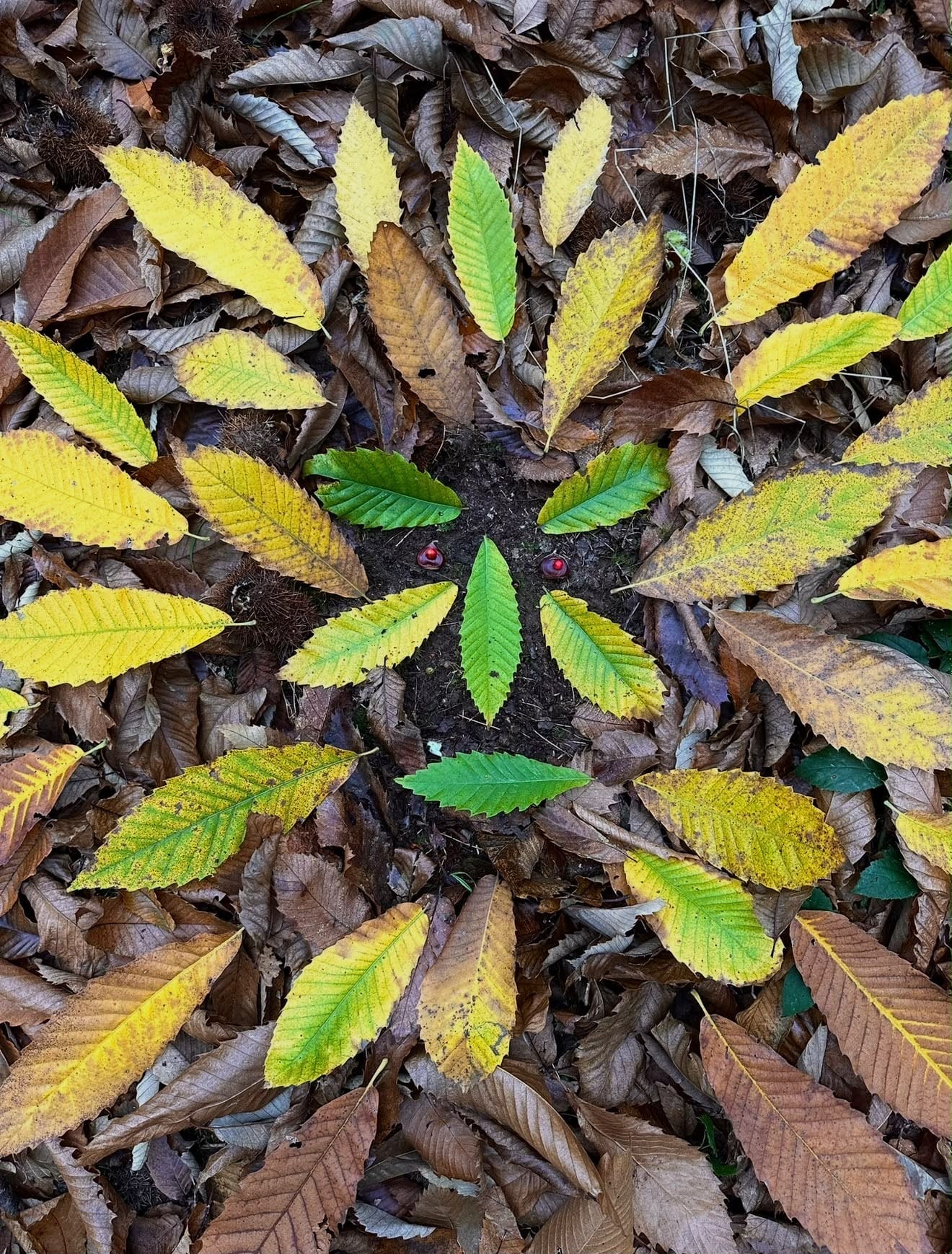
It's easy to see why. With the leaves rustling overhead and light flickering through the branches, a wood can feel like another world. Why not ask the children to invent their own woodland ghost story, inspired by the shapes, sounds and shadows they find along the way?
A few simple rules for a safe adventure
- Look, don't touch. Leave fungi, berries and unfamiliar plants alone.
- Stay on familiar paths, especially when it's slippery underfoot or the light is fading.
- Leave dead wood where it is. Fallen branches and logs are home to all sorts of wildlife.
- Take your litter home. Even the spookiest woodland creatures don't want your crisp packets.
Woodlands.co.uk sells small woodlands across the UK and offers guidance to new owners on caring for them, whether for wildlife, leisure or learning.