

It asks nothing of a child except imagination. It gets carried in pockets, buried in sandpits, lined up along windowsills and eventually handed down to someone smaller. Years later, the animals are still there.
Gary Wilmot has spent his working life in the toy industry, and it is that staying power he keeps returning to.
"A figurine is one of the few toys a child genuinely keeps, it gets named, it gets taken everywhere, it goes in a pocket on holiday. That is a wonderful thing to be trusted with, and it deserves to be made really well."
Wilmot is the founder of Proud Penguin, a company he set up to take one of the oldest and best loved toys there is and rebuild it from the ground up.
The thinking was straightforward. If children keep these animals for years, then the animals should be worth keeping: better materials, better craft, and complete openness about where every piece comes from.
What "rebuilt from the ground up" actually means
Proud Penguin figurines are made from a bio-based material and certified to the ISCC+ standard. They are finished by hand with water-based paints. They are produced, packed and shipped from a single family-run site in Tunisia, which has been making toys for 45 years. They meet EN71 safety standards in full, and are made for ages three and up.
None of which, Wilmot is quick to point out, changes the play itself.
"An elephant is still an elephant," he says. "A child does not need to know any of this. But you might like to, and you should be able to find out easily."
That is what the Digital Product Passport is for. Every figurine carries one, so parents can look up where the material came from, where the toy was made and what is in it.
"We would rather show our working," Wilmot says. "The more we tell you, the better the decision you get to make."
Every figurine carries a Digital Product Passport so parents can look up where the material came from, where the toy was made and what is in it.
Twenty eight animals, and more to come
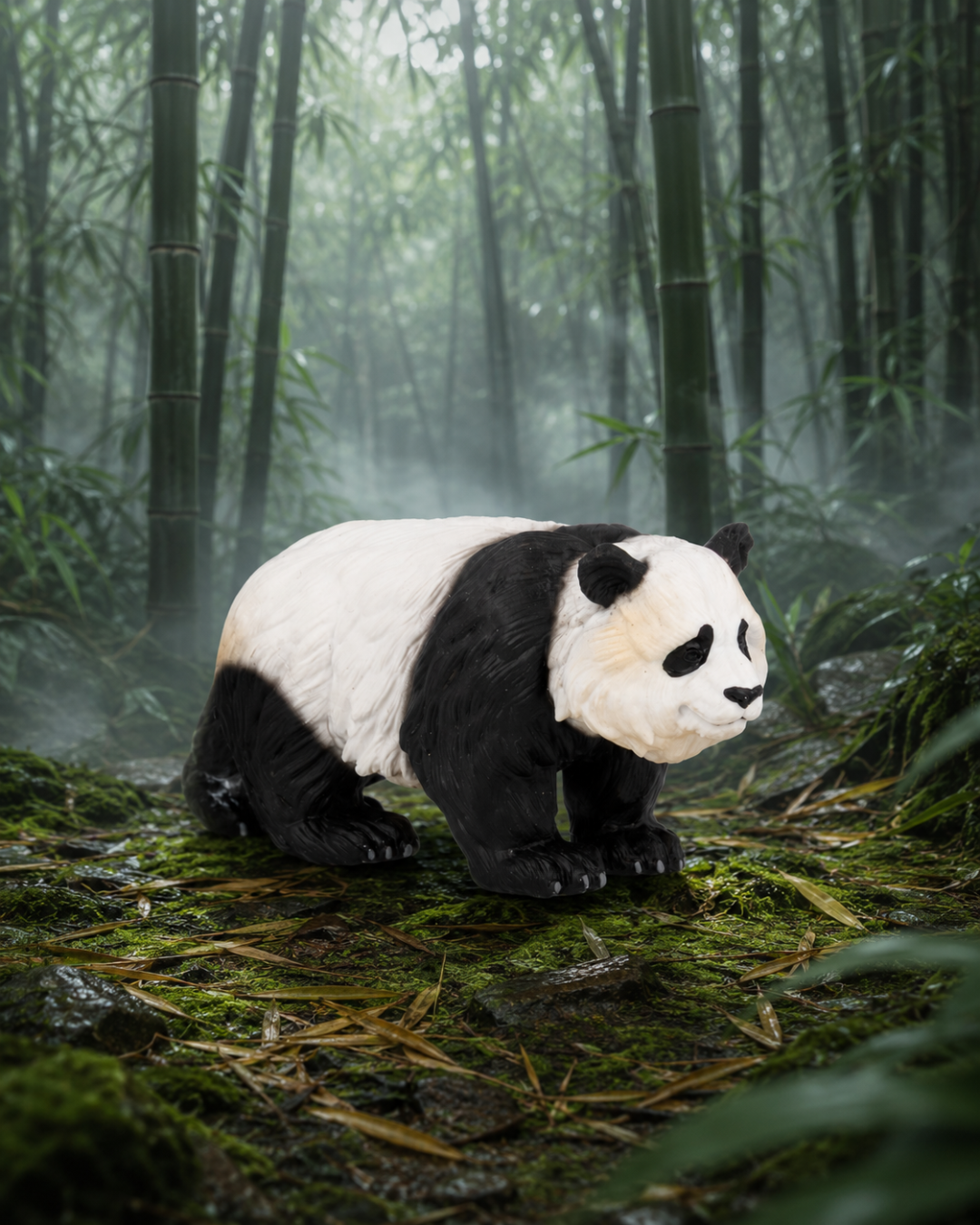
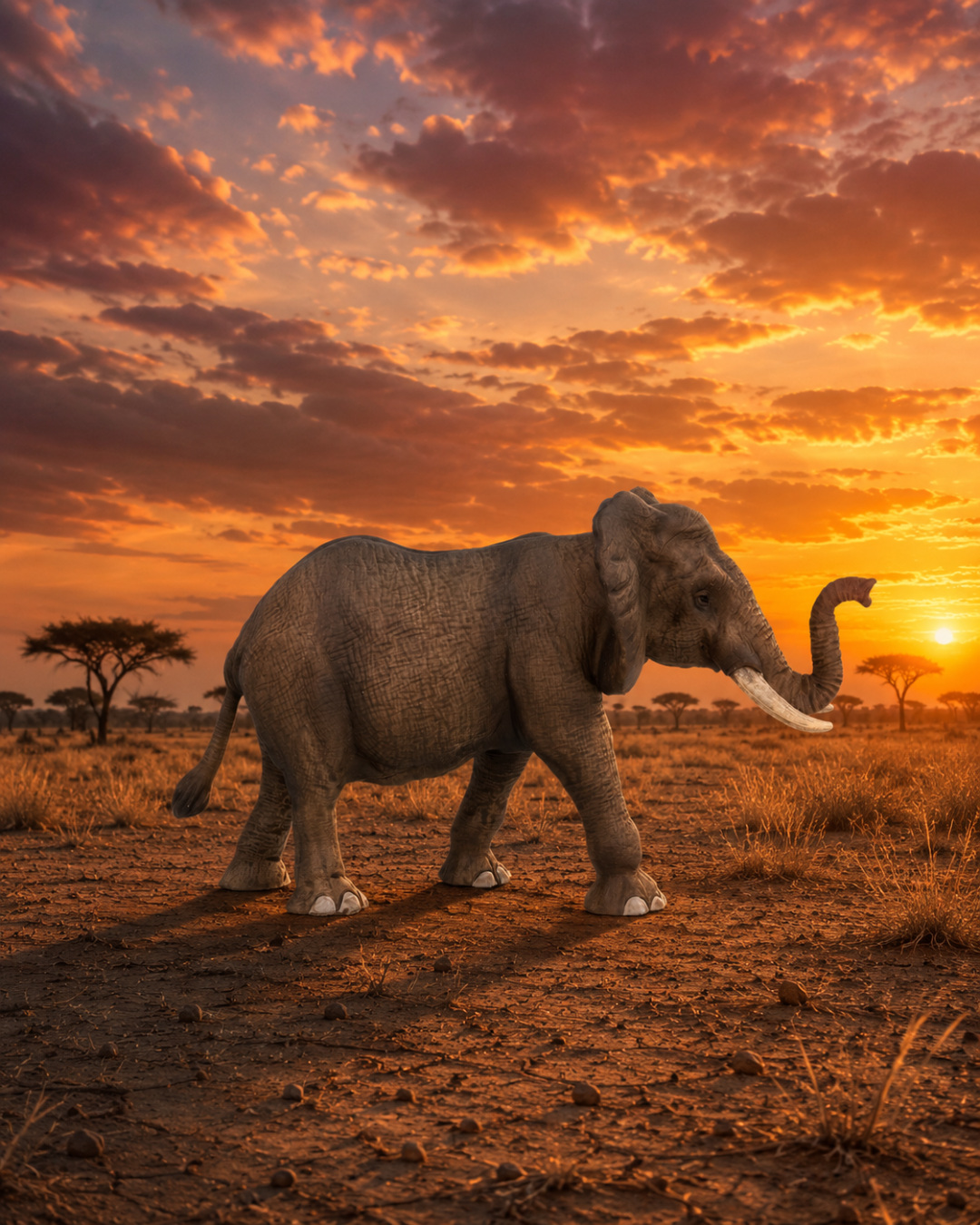
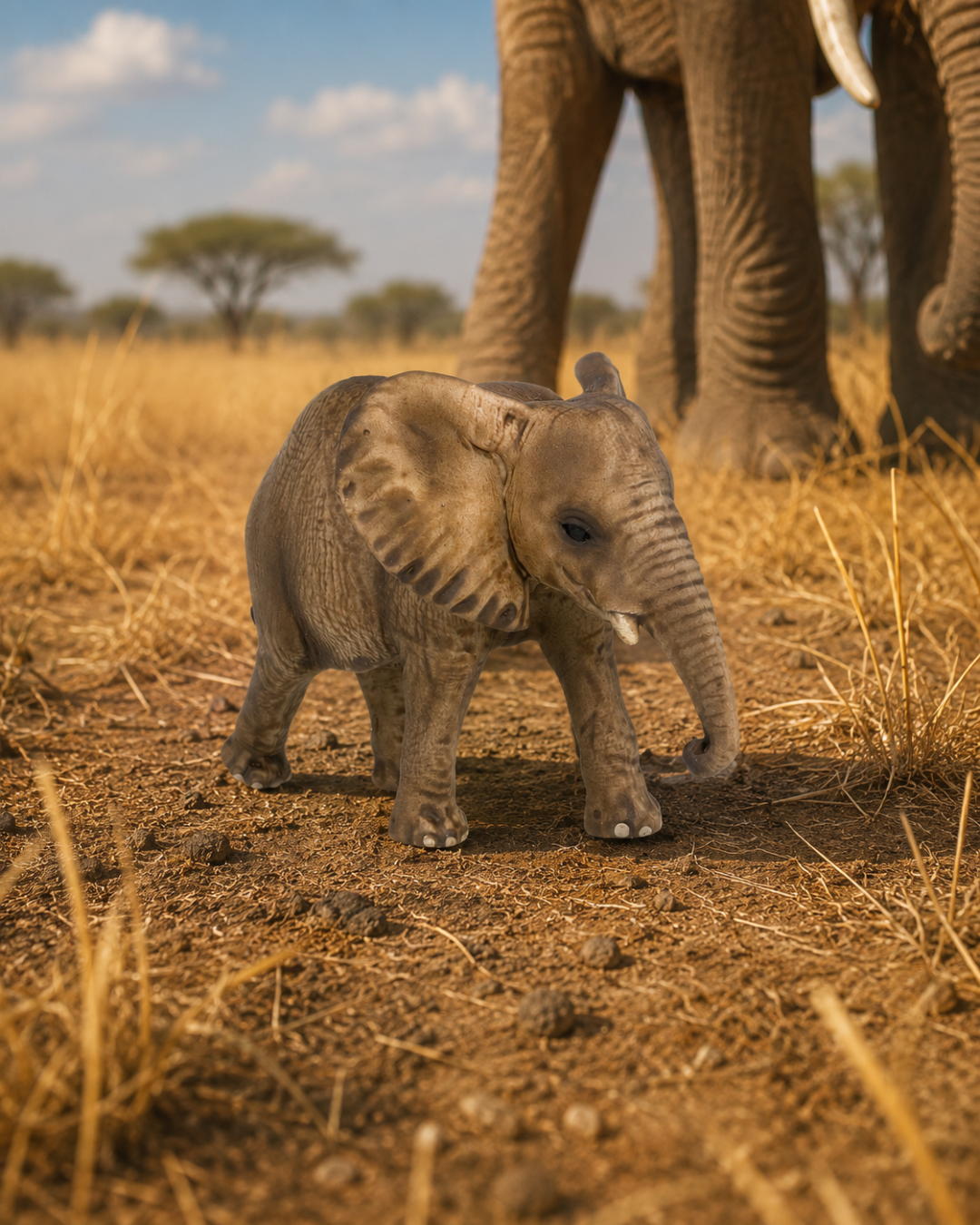
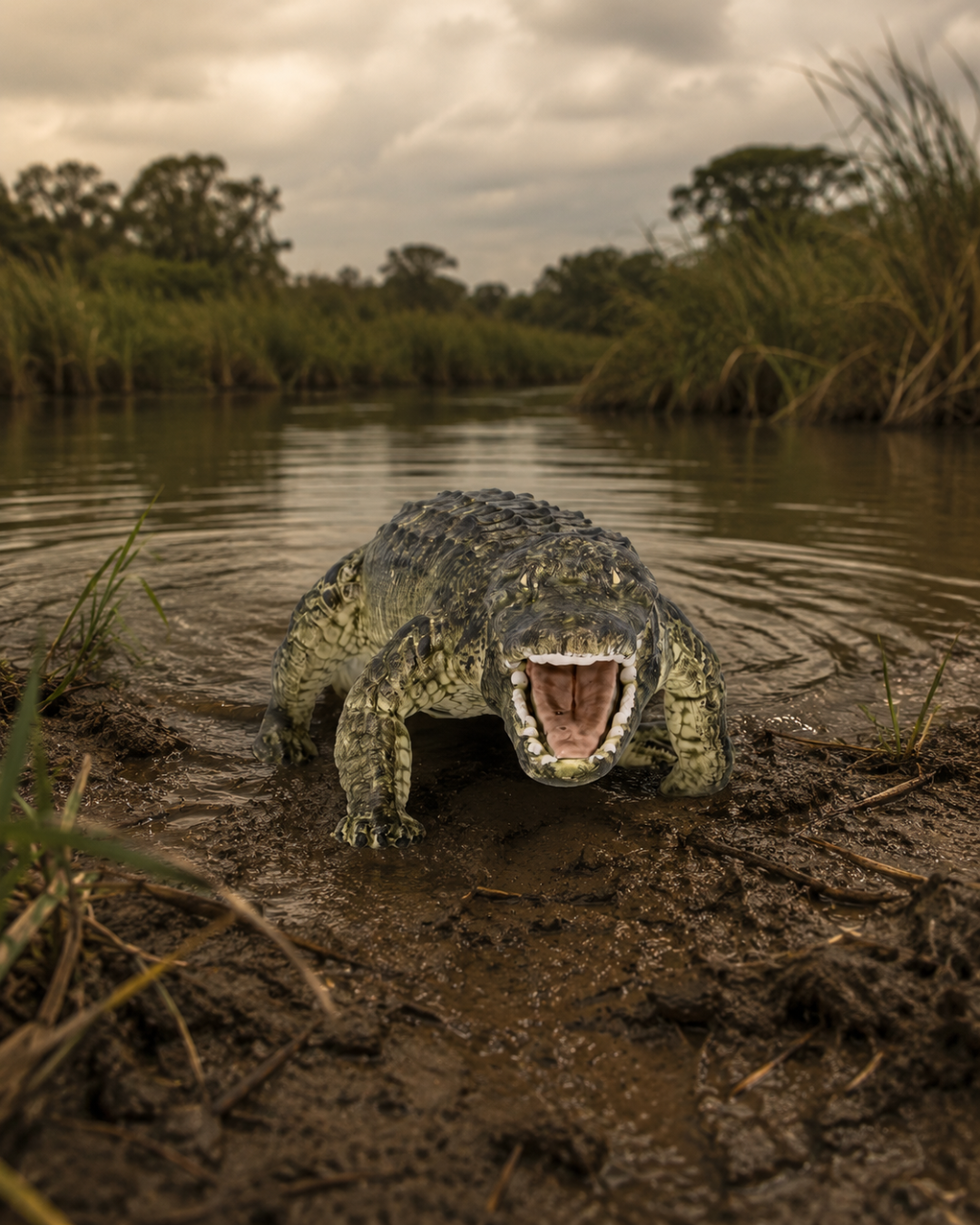
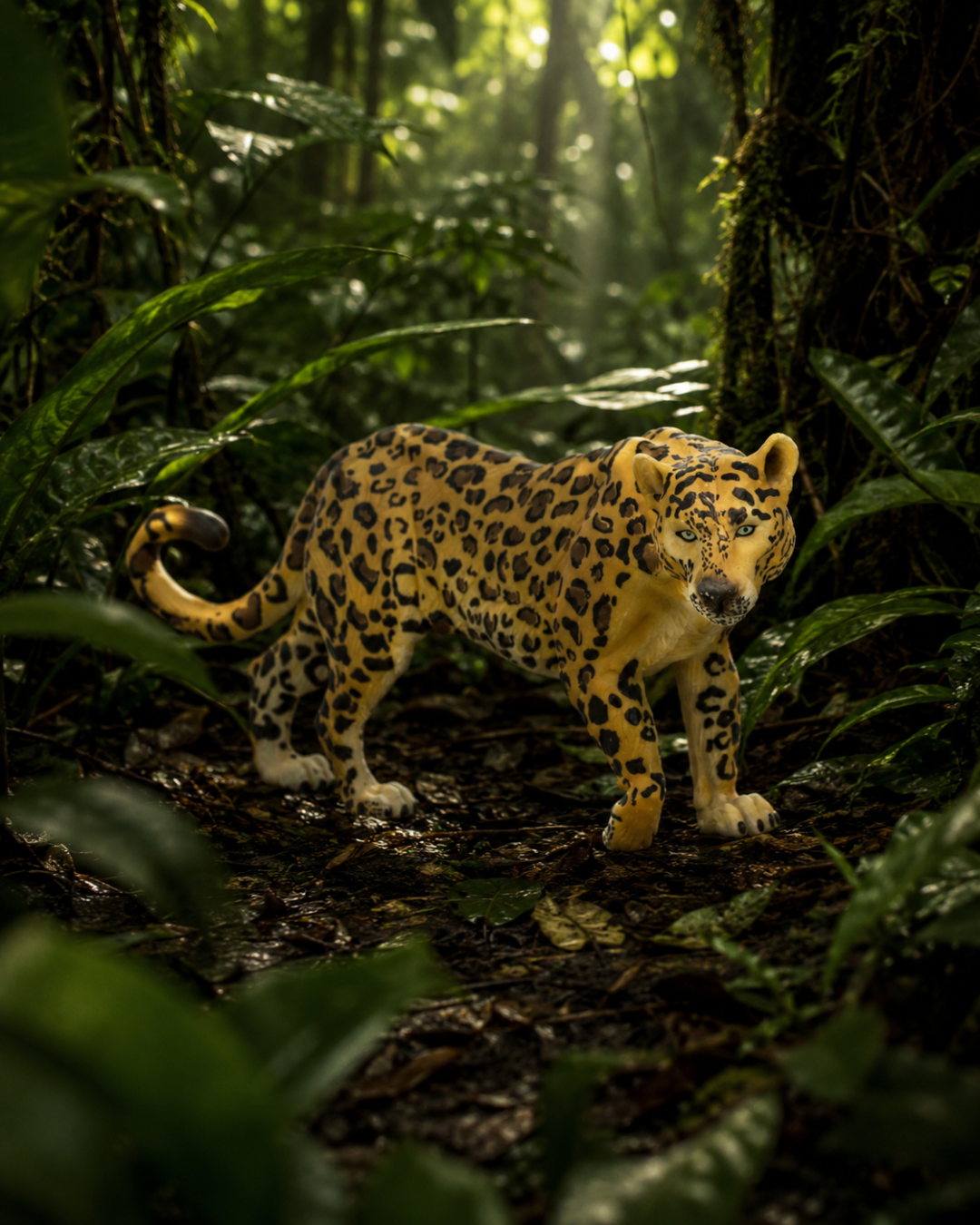
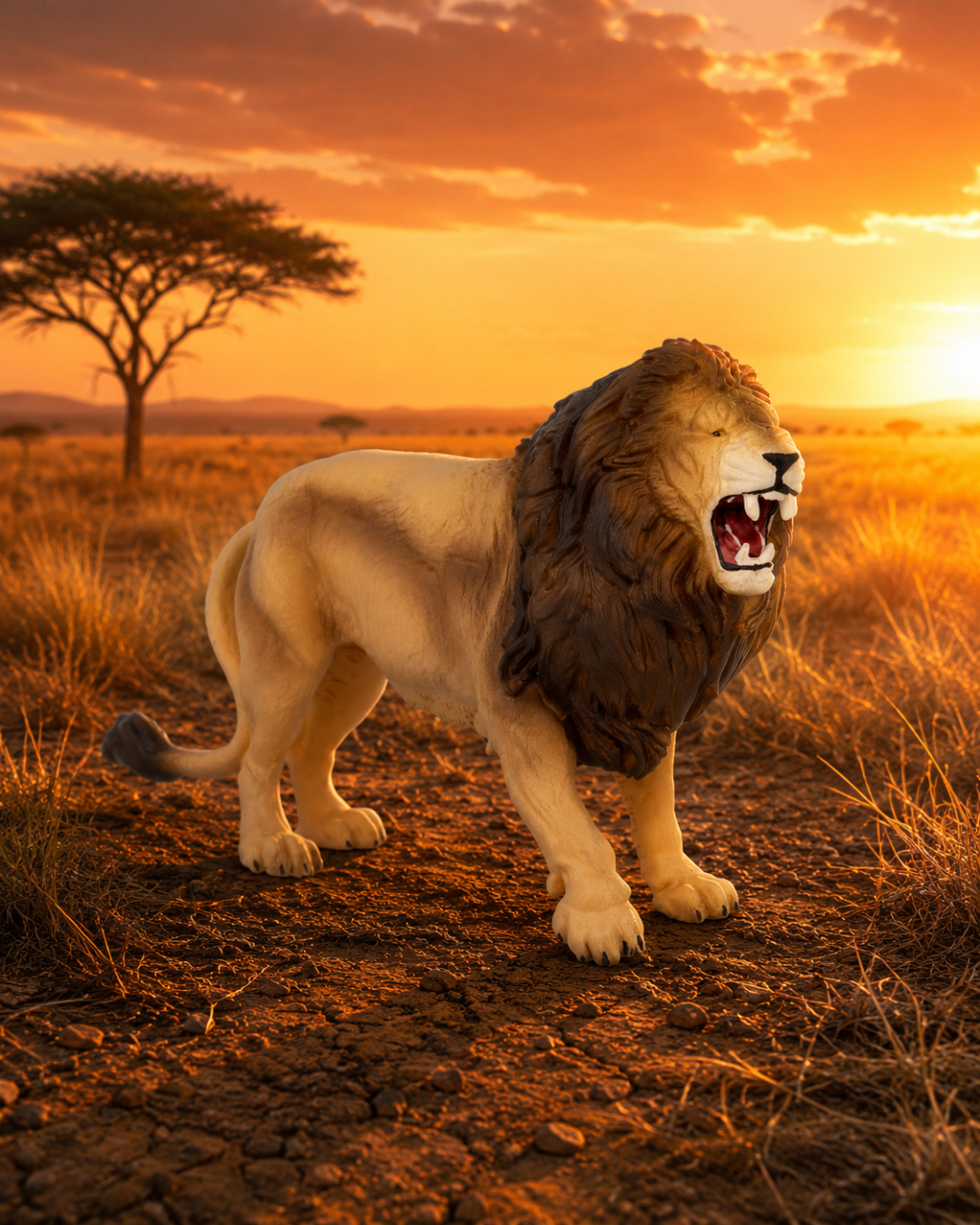
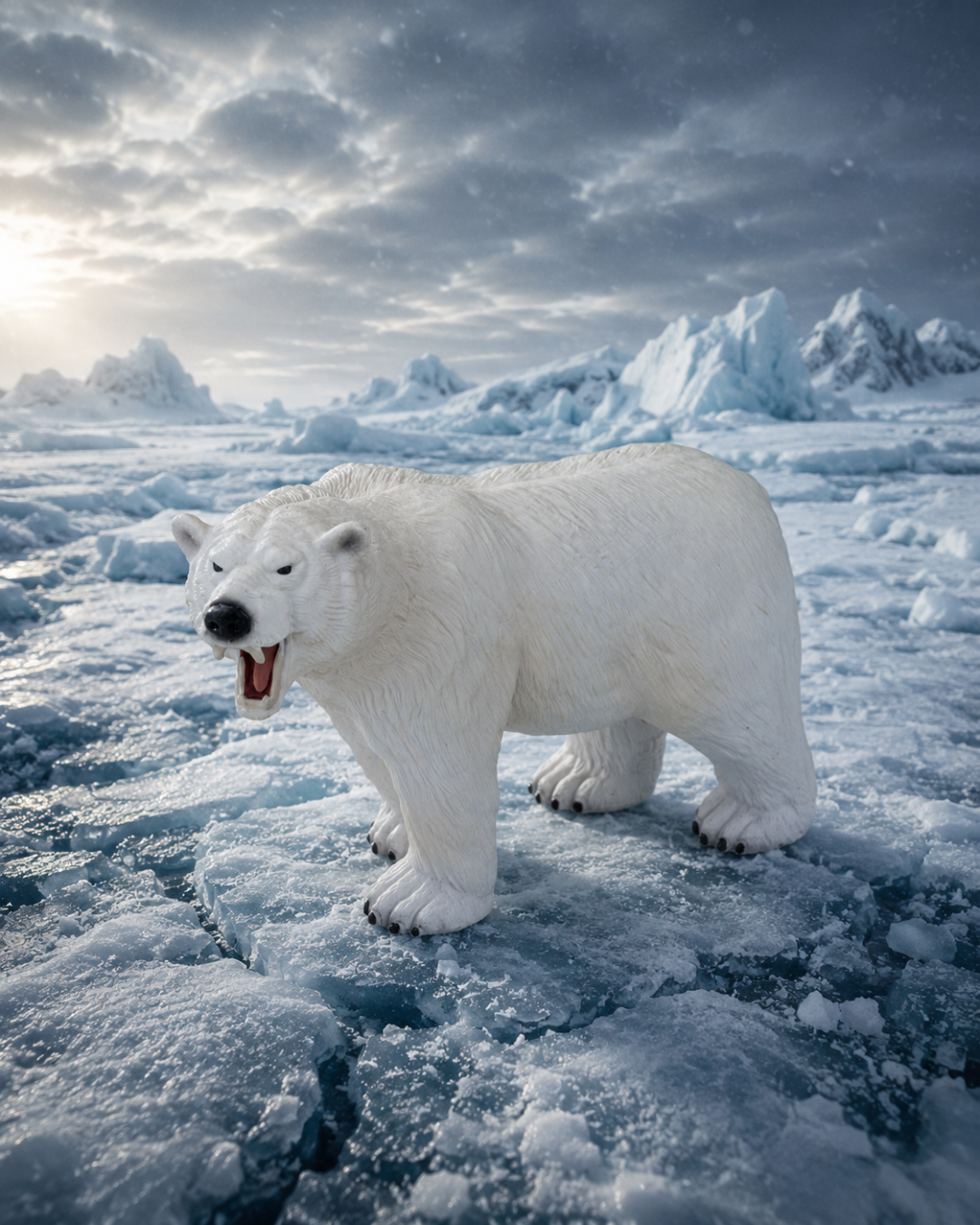
The first Proud Penguin collection runs to 28 animals, with further releases scheduled for later this year. Quality over quantity is a phrase that gets used a lot, and here it means the care that goes into each one rather than how few there are. Every figurine is modelled on a real species in a real habitat, so a child is not simply collecting animals, they are meeting them. A killer whale opens a conversation about cold water and the family groups that hunt together in it. An elephant opens one about herds, memory and the long walk to water.
"Children are naturally curious about animals, long before anyone teaches them to be," Wilmot says. "We want the figurine in their hand to be the start of that, not the end of it. If a child asks where elephants live and somebody looks it up with them, we have done our job."
The test Proud Penguin sets itself
Ask Wilmot how he will know whether any of this has worked, and he does not reach for shelf space.
"The measure is whether one of our animals is still being played with in twenty years, in a house we have never heard of, by a child who was not born when it was made," he says. "That is the whole ambition. Make something good enough that it keeps finding new hands."
It is a big ambition, and it explains how Proud Penguin has been put together. The way each animal is researched, the traceable supply chain and the hand-painted finish all point the same way: a toy worth keeping, and then worth handing on.
Proud Penguin figurines are distributed in the UK by Aurora World. Browse the full range or read more about what the brand stands for, and follow Proud Penguin UK on Facebook and Instagram to see the animals in the wild, and the rest of the collection as it lands.